Understanding the Concept of FTAsiaStock in Modern Business
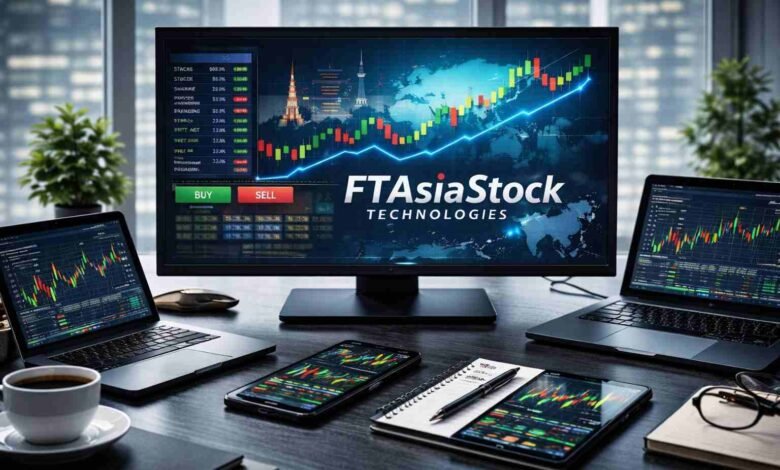
Business ftasiastock is best understood as a conceptual blend of financial trading systems, Asian equity markets, and modern stock market technology platforms that bring together regional investment opportunities under one digital umbrella. In today’s interconnected financial world, terms like FTAsiaStock are often used to represent a structured gateway into Asian stock market exposure, combining both traditional exchange-based trading and advanced fintech-driven analysis tools. Whether it refers to a platform, an index-style framework, or a trading ecosystem, the idea centers on simplifying access to fast-growing Asian economies.
The Asian financial landscape has expanded rapidly over the last few decades, with markets like Japan, China, South Korea, India, and Southeast Asia becoming major players in global investment flows. FTAsiaStock, in this sense, represents how investors perceive and interact with these markets collectively rather than individually. Instead of analyzing each exchange separately, traders look at Asia as a unified growth engine with interconnected economic signals, supply chains, and capital movements.
From a business perspective, FTAsiaStock also symbolizes digital transformation in investing. Traditional brokerage systems have evolved into app-based ecosystems where investors can track indices, trade equities, and analyze market trends in real time. This shift has democratized access to financial markets, allowing retail investors to participate in opportunities that were once reserved for institutional players.
The Evolution of Asian Stock Markets and FTAsiaStock Integration
Asian stock markets have undergone significant transformation since the late 20th century, evolving from locally regulated exchanges into globally integrated financial hubs. FTAsiaStock as a concept fits into this evolution by representing the convergence of these markets into a more unified analytical framework. The rise of globalization has allowed capital to flow more freely across borders, making Asian equities a central focus for international investors.
Countries like China and India have driven massive market capitalization growth, while Japan and South Korea have maintained strong technological and manufacturing-based equity sectors. Southeast Asian economies such as Indonesia, Vietnam, and Malaysia have added further diversity to the investment landscape. FTAsiaStock captures this diversity by providing a way to think about Asian markets not as isolated entities but as interconnected growth zones.
Technological advancements have also played a crucial role in this evolution. High-frequency trading, AI-based analytics, and mobile trading applications have made it easier than ever to participate in Asian markets. FTAsiaStock reflects this technological integration by emphasizing speed, accessibility, and data-driven decision-making across multiple financial ecosystems.
How FTAsiaStock Impacts Modern Investment Strategies
Investment strategies in the FTAsiaStock environment are heavily influenced by macroeconomic trends, sectoral shifts, and geopolitical developments. Investors no longer rely solely on local market knowledge; instead, they adopt a regional or even global perspective when making decisions. This shift has made diversification across Asian markets a key strategy for balancing risk and maximizing returns.
One of the most important aspects of FTAsiaStock-driven investing is sector rotation. Technology, manufacturing, renewable energy, and consumer goods all play significant roles in Asian markets. Investors often shift capital between these sectors depending on economic cycles, policy changes, and innovation trends. This dynamic approach allows for more flexible portfolio management and long-term growth potential.
Another key strategy involves tracking emerging markets within Asia. While established economies like Japan provide stability, emerging economies such as Vietnam and the Philippines offer higher growth potential. FTAsiaStock-based analysis encourages investors to balance stable investments with high-growth opportunities, creating a more resilient portfolio structure.
Risk Management in FTAsiaStock Business Environments
Risk management is a critical component of any investment strategy, especially in volatile and fast-moving markets like those represented under FTAsiaStock. Asian markets are influenced by a wide range of factors including currency fluctuations, political developments, global trade tensions, and commodity price shifts. Understanding these risks is essential for long-term success.
One common risk management technique is diversification across countries and sectors. By spreading investments across multiple Asian economies, investors reduce their exposure to localized downturns. FTAsiaStock strategies often emphasize cross-market diversification as a core principle, ensuring that losses in one region can be offset by gains in another.
Another important aspect of risk management is the use of stop-loss mechanisms and hedging strategies. Investors may use derivatives, ETFs, or currency hedges to protect their portfolios from sudden market movements. In the FTAsiaStock framework, these tools are essential for maintaining stability in unpredictable market conditions.
Technical Analysis Tools Used in FTAsiaStock Trading
Technical analysis plays a major role in FTAsiaStock-based trading decisions. Traders rely on historical price data, chart patterns, and technical indicators to predict future market movements. Common tools include moving averages, relative strength index (RSI), Bollinger Bands, and candlestick patterns.
Moving averages help smooth out price data to identify trends over time. In FTAsiaStock markets, where volatility can be high, moving averages provide clarity by filtering out short-term fluctuations. Traders often use a combination of short-term and long-term moving averages to identify entry and exit points.
Momentum indicators like RSI are also widely used to determine whether a stock is overbought or oversold. In fast-growing Asian markets, these signals can help traders avoid entering positions at peak prices. By combining multiple technical indicators, FTAsiaStock traders can develop more accurate and data-driven strategies.
Fundamental Analysis and Economic Drivers of FTAsiaStock
Fundamental analysis is equally important in understanding FTAsiaStock dynamics. This approach focuses on evaluating a company’s financial health, including revenue growth, profitability, debt levels, and management quality. In Asian markets, where industries range from heavy manufacturing to cutting-edge technology, fundamental analysis helps investors identify strong long-term opportunities.
Macroeconomic indicators such as GDP growth, inflation rates, and interest rate policies also play a crucial role. Countries within Asia often have varying economic cycles, which creates opportunities for strategic investment allocation. FTAsiaStock analysis encourages investors to monitor these indicators closely to understand broader market direction.
Corporate earnings reports and government policies further influence stock performance. For example, subsidies in renewable energy or technological innovation incentives can significantly boost specific sectors. Understanding these drivers allows FTAsiaStock investors to anticipate market movements before they fully materialize.
Portfolio Building in FTAsiaStock Ecosystems
Building a strong portfolio within the FTAsiaStock framework requires careful planning and long-term vision. Investors typically begin by allocating capital across different regions and sectors to ensure balanced exposure. This approach reduces risk while maintaining growth potential.
A well-structured portfolio often includes a mix of large-cap stable companies and smaller high-growth firms. Large-cap stocks provide stability and consistent returns, while smaller companies offer higher risk but greater upside potential. FTAsiaStock strategies emphasize maintaining this balance to achieve sustainable growth.
Rebalancing is another key component of portfolio management. As market conditions change, investors must adjust their holdings to maintain desired risk levels. In FTAsiaStock investing, periodic rebalancing ensures that portfolios remain aligned with evolving market trends and economic conditions.
Psychology of Trading in FTAsiaStock Markets
Investor psychology plays a major role in the success of FTAsiaStock trading strategies. Emotional decision-making often leads to poor investment outcomes, especially in volatile markets. Fear and greed are the two most common psychological factors that influence trading behavior.
Discipline is essential for maintaining consistency in investment decisions. Successful FTAsiaStock traders follow predefined strategies rather than reacting impulsively to market fluctuations. This disciplined approach helps reduce emotional bias and improves long-term performance.
Another important psychological factor is patience. Markets do not always move in predictable patterns, and short-term volatility can test an investor’s confidence. FTAsiaStock investing encourages a long-term perspective, allowing investors to focus on fundamental growth rather than temporary price movements.
Role of Technology and Fintech in FTAsiaStock Development
Technology has revolutionized how FTAsiaStock markets operate. Fintech platforms have made it possible for investors to trade stocks instantly, access real-time data, and use advanced analytics tools from their mobile devices. This accessibility has significantly increased market participation across Asia.
Artificial intelligence and machine learning are now widely used to analyze market trends and predict stock movements. These technologies process massive amounts of data in seconds, providing insights that were previously impossible to obtain. FTAsiaStock systems often integrate these tools to enhance decision-making accuracy.
Blockchain technology is also beginning to influence financial markets by improving transparency and security. While still evolving, its potential impact on FTAsiaStock ecosystems includes faster settlements, reduced fraud, and improved record-keeping systems.
Future Trends of FTAsiaStock in Global Finance
The future of FTAsiaStock is closely tied to the continued growth of Asian economies and advancements in financial technology. As more investors seek exposure to high-growth regions, Asian markets are expected to play an even larger role in global finance. This trend will likely increase the importance of integrated investment platforms.
Sustainable investing is also expected to shape the future of FTAsiaStock. Environmental, social, and governance (ESG) criteria are becoming more important for investors, particularly in industries like energy, manufacturing, and technology. Companies that align with sustainability goals are likely to attract more investment in the coming years.
Another key trend is increased automation in trading and portfolio management. Robo-advisors and AI-driven investment tools will continue to evolve, making FTAsiaStock investing more efficient and accessible. This shift will further reduce barriers for new investors entering the market.
Conclusion: The Strategic Importance of FTAsiaStock in Modern Investing
FTAsiaStock represents more than just a trading concept; it reflects the modernization of Asian financial markets and the growing importance of regional integration in global investing. By combining technology, diversification, and strategic analysis, it offers a comprehensive approach to understanding and participating in Asian equities.
Investors who adopt FTAsiaStock principles benefit from exposure to some of the fastest-growing economies in the world while leveraging advanced tools for risk management and analysis. This combination of growth potential and technological support makes it a powerful framework for modern investment strategies.
As financial markets continue to evolve, FTAsiaStock will likely become even more relevant, shaping how investors interact with Asian economies and global financial systems in the future.
FAQs
What is FTAsiaStock in business investing?
FTAsiaStock refers to a conceptual framework for analyzing and investing in Asian stock markets through integrated financial and technological systems.
Is FTAsiaStock suitable for beginners in trading?
Yes, it can be suitable for beginners if they focus on learning risk management and market fundamentals before investing.
Which markets are included in FTAsiaStock analysis?
It generally includes major Asian markets like Japan, China, India, South Korea, and Southeast Asian economies.
How does technology impact FTAsiaStock trading?
Technology enables real-time trading, AI-driven analysis, and improved accessibility for investors.
What are the main risks in FTAsiaStock investing?
Risks include market volatility, currency fluctuations, geopolitical tensions, and economic instability.
Also read: UndergrowthGames Contributor: Everything You Need to Know About the Role, Work, and Community
About the Author