What Exactly Is Pasticho and Why It’s So Loved
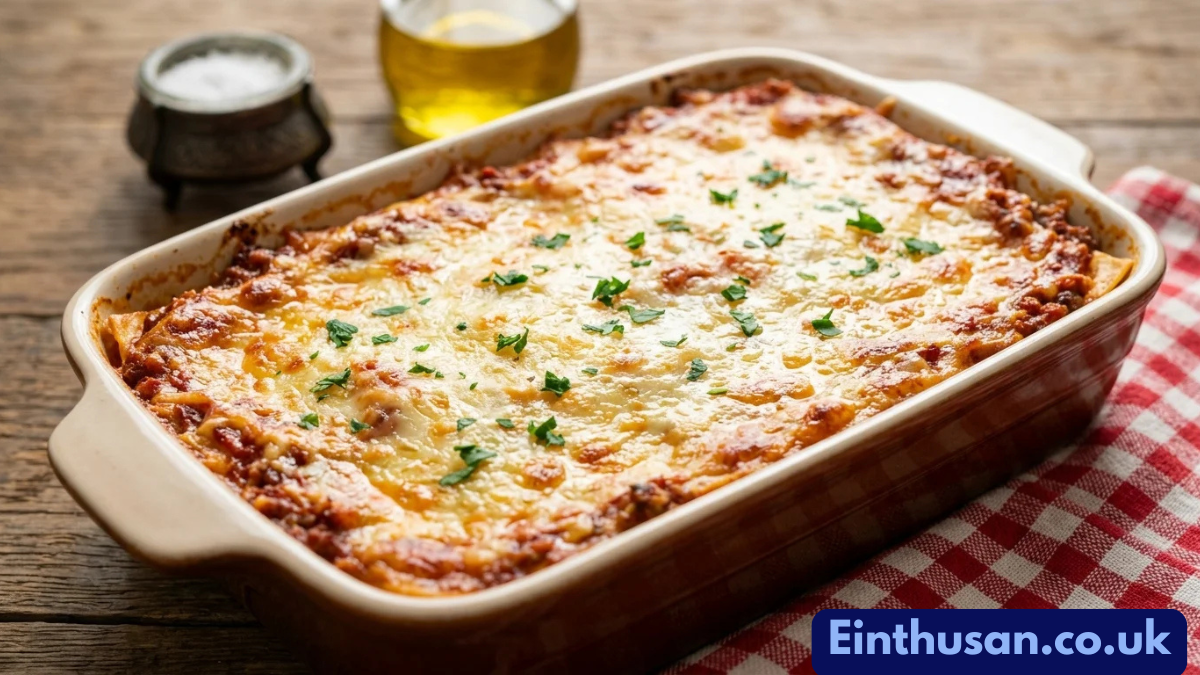
Pasticho is one of those dishes that instantly wins people over the moment they taste it. At its core, it’s the Venezuelan interpretation of lasagna, but calling it just “lasagna” doesn’t really do it justice. It carries its own identity, shaped by Italian influence but transformed through Venezuelan culinary culture into something richer, creamier, and often more indulgent.
Unlike traditional Italian lasagna that tends to lean heavily on tomato-based sauces and sharper seasoning profiles, pasticho introduces a smoother, more balanced richness thanks to its signature bechamel sauce. That creamy layer completely changes the texture experience, making each bite softer, silkier, and more comforting in a way that feels almost luxurious.
Another reason pasticho stands out is how deeply it is tied to home cooking and celebrations in Venezuela. It’s not just a casual meal; it’s often prepared for gatherings, birthdays, Sundays, or special family dinners. That emotional connection adds to why so many people search for “best pasticho Venezuelan lasagna near me” when they’re craving something both comforting and meaningful.
The Difference Between Pasticho and Traditional Lasagna
At first glance, pasticho and lasagna might look nearly identical, and that’s where most people get confused. Both dishes are layered, both use pasta sheets, and both are baked with cheese on top. But once you dig deeper, the differences become more noticeable, especially in flavor and texture.
Traditional Italian lasagna usually relies heavily on ragù (a slow-cooked meat and tomato sauce) paired with ricotta or béchamel depending on the region. It tends to have a stronger tomato presence and a slightly firmer texture when baked properly. The seasoning is often simpler, allowing the quality of ingredients to shine through.
Pasticho, on the other hand, takes a creamier, more indulgent approach. Bechamel sauce plays a much bigger role, often layered generously between sheets of pasta along with a well-seasoned meat sauce. The result is a softer, richer bite that feels more cohesive and velvety. It’s less about sharp contrasts and more about blended comfort.
The Cultural History Behind Venezuelan Pasticho
Pasticho has a fascinating history rooted in migration and cultural blending. When Italian immigrants arrived in Venezuela during the 19th and 20th centuries, they brought their culinary traditions with them, including lasagna. Over time, these recipes adapted to local ingredients and taste preferences, eventually evolving into what is now known as pasticho.
One of the biggest influences on this transformation was the availability of ingredients and the Venezuelan preference for creamier, more indulgent dishes. Bechamel sauce became more prominent than in many Italian versions, and local cooks began adjusting seasoning profiles to better match Venezuelan palates.
Today, pasticho is considered a staple in Venezuelan cuisine. It’s found in homes, bakeries, and restaurants around the world wherever Venezuelan communities exist. This global spread is why so many people now search for “best pasticho near me” when exploring Latin American food options.
Essential Ingredients That Define Authentic Pasticho
A good pasticho is defined by the quality and balance of its ingredients. At the foundation, you have pasta sheets, which can be either pre-boiled or oven-ready. The texture of the pasta plays a major role in the final structure of the dish, so it’s always important that it holds up well during baking.
The meat sauce is another essential layer. Typically made with ground beef, onions, garlic, bell peppers, tomatoes, and spices, it forms the savory backbone of the dish. Some variations include pork or even a mix of meats to deepen the flavor profile.
Then comes the bechamel sauce, arguably the most important element in pasticho. Made from butter, flour, and milk, it creates that signature creamy texture that distinguishes pasticho from other types of lasagna. Without it, the dish loses its identity.
Finally, cheese ties everything together. Mozzarella is commonly used for melting, while parmesan or other hard cheeses are added for flavor depth. The combination ensures a golden, slightly crispy top layer that contrasts beautifully with the creamy interior.
Why Bechamel Sauce Is the Heart of Pasticho
If there’s one element that defines pasticho more than anything else, it’s the bechamel sauce. While many baked pasta dishes treat bechamel as optional or secondary, in pasticho it is absolutely central to the dish’s identity.
Bechamel adds a smooth, creamy texture that softens the layers of pasta and meat sauce. Instead of sharp, separated flavors, everything blends together into a unified bite. This is why pasticho often feels richer and more comforting than traditional lasagna.
The balance of bechamel is also important. Too thick, and the dish becomes heavy and dense. Too thin, and it loses its creamy structure. Skilled cooks understand how to adjust consistency so that it flows gently between layers without overpowering them.
The Secrets Behind a Perfect Meat Sauce
A great pasticho depends heavily on its meat sauce, and this is where many restaurants truly differentiate themselves. The goal is not just to cook ground beef but to build depth of flavor through slow cooking and careful seasoning.
Most high-quality versions start with a base of sautéed onions, garlic, and bell peppers. These aromatics create a foundation that supports the meat and enhances its natural richness. Tomatoes are then added to bring moisture and slight acidity.
What separates average pasticho from exceptional ones is time. Allowing the sauce to simmer slowly helps the flavors develop and intensify. Some chefs even let it rest overnight before assembling the dish, which deepens the taste even further.
Cheese Selection and Its Impact on Flavor
Cheese might seem like a simple component, but in pasticho, it plays a crucial structural and flavor role. Mozzarella is the most commonly used cheese because it melts smoothly and creates that stretchy, satisfying texture when served hot.
However, mozzarella alone is not enough to create a balanced flavor profile. That’s where harder cheeses like parmesan or pecorino-style alternatives come in. These add saltiness and depth, preventing the dish from tasting overly mild.
Some modern variations even experiment with gouda or local cheeses depending on availability. While purists may prefer traditional combinations, these creative twists often result in interesting and delicious interpretations of the dish.
Layering Technique That Makes or Breaks Pasticho
The way pasticho is layered has a huge impact on its final structure. A properly layered pasticho holds together when sliced, revealing clean, distinct layers without collapsing into a mess.
The typical structure begins with a thin layer of bechamel or meat sauce at the base, followed by pasta sheets. From there, meat sauce, bechamel, and cheese are alternated repeatedly until the dish is filled. The final layer is usually topped with bechamel and a generous amount of cheese for browning.
One common mistake is uneven distribution of sauce, which leads to dry spots or overly soggy sections. A well-balanced layering approach ensures that every bite contains a mix of all components.
Common Mistakes When Making or Ordering Pasticho
One of the biggest mistakes people make when preparing pasticho is rushing the process. Skipping slow simmering for the meat sauce or using overly thin bechamel can drastically affect the final result.
Another common issue is overloading the dish with too many ingredients. While it might seem like adding extra cheese or sauce will improve flavor, it often disrupts the balance and structure.
When ordering pasticho at a restaurant, a common mistake is assuming all versions are equal. Some places prioritize speed over quality, resulting in underdeveloped flavors or poorly layered dishes.
How to Find the Best Pasticho Venezuelan Lasagna Near Me
When searching for the best pasticho nearby, it’s important to look beyond just reviews or ratings. Authenticity plays a huge role, so restaurants that specialize in Venezuelan or broader Latin American cuisine are often better choices.
One useful indicator is how the dish is described on the menu. If the restaurant highlights traditional preparation methods or homemade sauces, that’s usually a good sign of quality and attention to detail.
Another factor is consistency. A great pasticho should taste just as good on a busy weekend as it does on a quiet weekday. Restaurants that maintain this consistency often have well-trained chefs and established recipes.
What Makes a Restaurant Version Truly Stand Out
Restaurant-quality pasticho stands out when it achieves a balance between richness and structure. It should be creamy without being heavy, flavorful without being overwhelming, and structured without being dry.
Presentation also matters more than people think. A properly baked pasticho should have a golden top layer with slightly crisp edges, while the inside remains soft and layered.
Finally, the best restaurants pay attention to portioning. Each slice should hold its shape while still melting slightly when served hot, offering both visual appeal and satisfying texture.
Street Food vs Restaurant Pasticho Experience
Street food versions of pasticho often focus on convenience and speed. They may use simplified recipes, quicker sauces, and more standardized ingredients to serve larger crowds efficiently.
Restaurant versions, however, tend to prioritize depth of flavor and presentation. They invest more time in slow cooking sauces, layering carefully, and using higher-quality cheeses.
Both versions have their place, but if you’re searching for the best pasticho experience near you, restaurants usually offer a more refined and complete version of the dish.
Homemade Pasticho vs Eating Out

Homemade pasticho has the advantage of customization. You can adjust seasoning, choose your preferred cheeses, and control ingredient quality. It also carries a personal touch that makes it especially comforting.
However, making pasticho at home requires time, patience, and experience. Without proper technique, it’s easy to end up with uneven layers or imbalanced flavors.
Eating out offers convenience and consistency. A good restaurant can replicate traditional flavors reliably, saving you time while still delivering a satisfying experience.
Flavor Variations You Might Encounter
While traditional pasticho follows a standard structure, many variations exist depending on region and chef creativity. Some versions include chicken instead of beef for a lighter taste.
Others add vegetables like spinach, zucchini, or mushrooms to create a more complex and layered flavor profile. These variations are especially popular among people looking for lighter alternatives.
There are also gourmet interpretations that incorporate specialty cheeses or infused sauces, giving a modern twist to a traditional dish.
Vegetarian and Vegan Pasticho Options
Vegetarian pasticho replaces meat with ingredients like lentils, mushrooms, or plant-based protein alternatives. These versions still maintain the core structure and creamy texture while offering a meat-free experience.
Vegan versions take it further by replacing dairy-based bechamel and cheese with plant-based alternatives. While the flavor profile changes slightly, modern vegan cooking techniques make it possible to achieve a surprisingly close experience.
These alternatives are becoming more common as demand for plant-based options grows, especially in international food scenes.
What to Pair with Pasticho for the Best Experience
Pasticho is a rich dish, so pairing it with lighter sides often creates the best balance. Fresh salads with citrus-based dressings help cut through the creaminess and refresh the palate.
Bread is another common pairing, especially crusty rolls that can soak up extra sauce. However, it’s important not to overload the meal since pasticho is already quite filling.
For beverages, light drinks such as sparkling water, natural juices, or soft drinks are commonly preferred to complement the richness.
Pricing Expectations When Ordering Pasticho
The price of pasticho varies depending on location, ingredients, and portion size. In casual eateries, it tends to be more affordable, while specialty restaurants may charge higher prices for premium ingredients.
Factors like imported cheese, slow-cooked sauces, and portion size all influence cost. A well-made pasticho is usually priced slightly higher than basic pasta dishes due to its layered preparation.
When searching for the best pasticho near you, it’s often worth investing a bit more for quality rather than choosing the cheapest option available.
Tips for Ordering the Best Pasticho Near You
One useful tip is to look at customer photos when available. Real images often reveal the true quality of layering and presentation better than menu descriptions.
Another tip is to check whether the restaurant specializes in Venezuelan or Latin cuisine. Specialized kitchens tend to have more authentic preparation methods.
Finally, don’t hesitate to ask how the dish is prepared. Restaurants that take pride in their pasticho are usually happy to explain their process.
Final Thoughts on Finding the Best Pasticho Experience
Finding the best pasticho Venezuelan lasagna near you is less about luck and more about knowing what to look for. Quality ingredients, proper layering, and balanced sauces are the key indicators of a great dish.
Whether you prefer restaurant dining, homemade versions, or street food adaptations, pasticho remains one of the most comforting and satisfying dishes in Latin cuisine.
At the end of the day, the best version is the one that delivers warmth, richness, and that unmistakable creamy texture that defines true Venezuelan pasticho.
FAQs
What is pasticho made of? It is made with pasta sheets, meat sauce, bechamel, and cheese layered and baked.
Is pasticho the same as lasagna? It is similar but uses more bechamel and has a creamier Venezuelan style.
Why is pasticho so creamy? Because bechamel sauce is used generously between layers.
Can I find vegetarian pasticho? Yes, many places offer versions with vegetables or plant-based protein.
What makes good pasticho stand out? Balanced layers, rich flavor, and properly cooked sauces.
About the Author