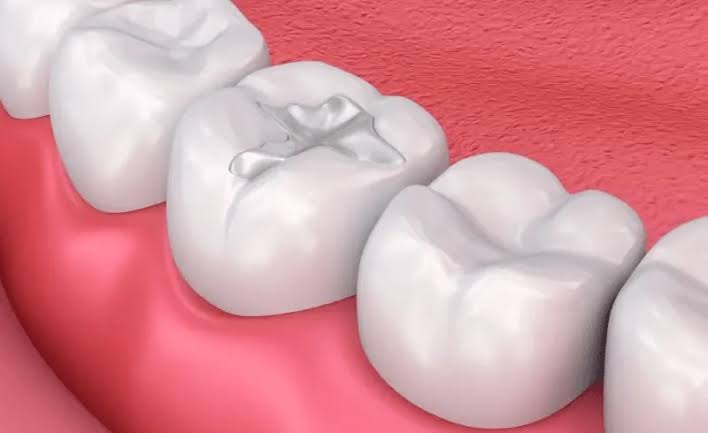
Dental fillings are one of the most common treatments used to restore teeth affected by cavities or minor damage. Although fillings are designed to last for many years, they do not last forever. Normal chewing, temperature fluctuations, and daily wear gradually affect the material, eventually necessitating replacement. Understanding when a filling should be replaced can help prevent discomfort, larger cavities, and more extensive dental treatment.
A trusted family dentist can examine existing fillings during routine checkups and recommend replacement when signs of wear begin to appear.
Why Dental Fillings Eventually Wear Out
Every filling is exposed to constant pressure from biting and chewing. Even durable materials such as composite resin and amalgam experience gradual wear over time. Small changes may not be noticeable to patients, but tiny gaps can develop between the filling and the tooth. These openings allow bacteria to enter, increasing the chance of decay beneath the restoration.
The lifespan of a filling depends on several factors, including the material used, the size of the filling, oral hygiene habits, and whether a patient grinds or clenches their teeth. Smaller fillings often remain in better condition longer than larger restorations because they experience less stress.
Regular dental examinations help you detect problems before they become painful or expensive to repair.
Common Signs That a Filling Needs Replacement
Pain or Sensitivity
A filling that has become loose or worn may allow hot, cold, or sweet foods to reach sensitive areas of the tooth. Temporary sensitivity is common after a new filling, but discomfort that develops years later may indicate that the restoration needs attention.
Pain while chewing can also suggest that the filling has cracked or shifted. Ignoring these symptoms may allow additional damage to develop inside the tooth.
Visible Damage
Sometimes, patients can actually see changes in a filling. Cracks, chips, rough edges, or discoloration around the restoration are all reasons to schedule an appointment. Even a small fracture can weaken the seal between the filling and the natural tooth.
Your dentist may also identify worn areas that are difficult to detect without professional instruments and magnification.
What Happens If a Filling Is Not Replaced?
Delaying treatment can allow bacteria to reach deeper layers of the tooth. What begins as a minor issue may eventually require a larger filling, a dental crown, or root canal therapy if the inner pulp becomes infected.
Replacing a filling at the right time is generally a simpler procedure than repairing advanced decay. Patients often appreciate that early treatment preserves more of their natural tooth structure while reducing the likelihood of future discomfort.
How Dentists Decide When Replacement Is Necessary
Clinical Examination
Dentists evaluate fillings during routine cleanings and examinations by checking for wear, cracks, leakage, and signs of decay around the edges. They also ask patients about changes in sensitivity or discomfort that may indicate hidden problems.
Digital Imaging
Dental X-rays provide another valuable tool for evaluating fillings. Images reveal decay beneath existing restorations or areas that a visual examination alone cannot see. Combining clinical findings with diagnostic imaging allows dentists to recommend treatment based on the condition of each individual tooth.
How to Help Fillings Last Longer
Good oral hygiene remains one of the best ways to extend the life of dental fillings. Brushing twice daily with fluoride toothpaste, flossing daily, and limiting sugary snacks reduce the number of harmful bacteria that contribute to tooth decay.
Patients who grind their teeth during sleep may benefit from a custom night guard, which helps reduce excessive pressure on fillings and natural teeth. Keeping regular dental appointments also helps you correct small concerns before they develop into larger problems.
Frequently Asked Questions
How often should dental fillings be replaced?
There is no fixed schedule for replacing fillings. Some last well over ten years, while others need replacement sooner because of wear, fractures, or new decay. Routine examinations help determine when replacement is appropriate.
Can a family dentist tell if a filling has failed?
Yes. A family dentist can identify worn or damaged fillings during an examination by checking for cracks, leakage, loose restorations, and decay around the filling. Dental X-rays may also reveal problems beneath the surface.
Should I visit a Bellevue dentist if my filling does not hurt?
Yes. A Bellevue dentist can detect early signs of failure before pain develops. During routine preventive visits, dentists discover many filling problems and can treat them before more extensive damage occurs.
Can replacing an old filling prevent future dental problems?
Yes. Replacing a worn filling helps restore the seal between the tooth and the restoration, reducing the chance of bacteria entering the tooth and causing additional decay or infection.
Replacing dental fillings before they fail completely helps protect healthy tooth structure and reduces the need for more extensive treatment later. Regular checkups allow your family dentist to monitor existing restorations and recommend replacement when appropriate. If you are searching for an experienced Bellevue dentist, schedule an appointment with Bellevue Family Dentistry to keep your smile healthy in Bellevue, WA.
About the Author