Understanding What an UndergrowthGames Contributor Actually Is
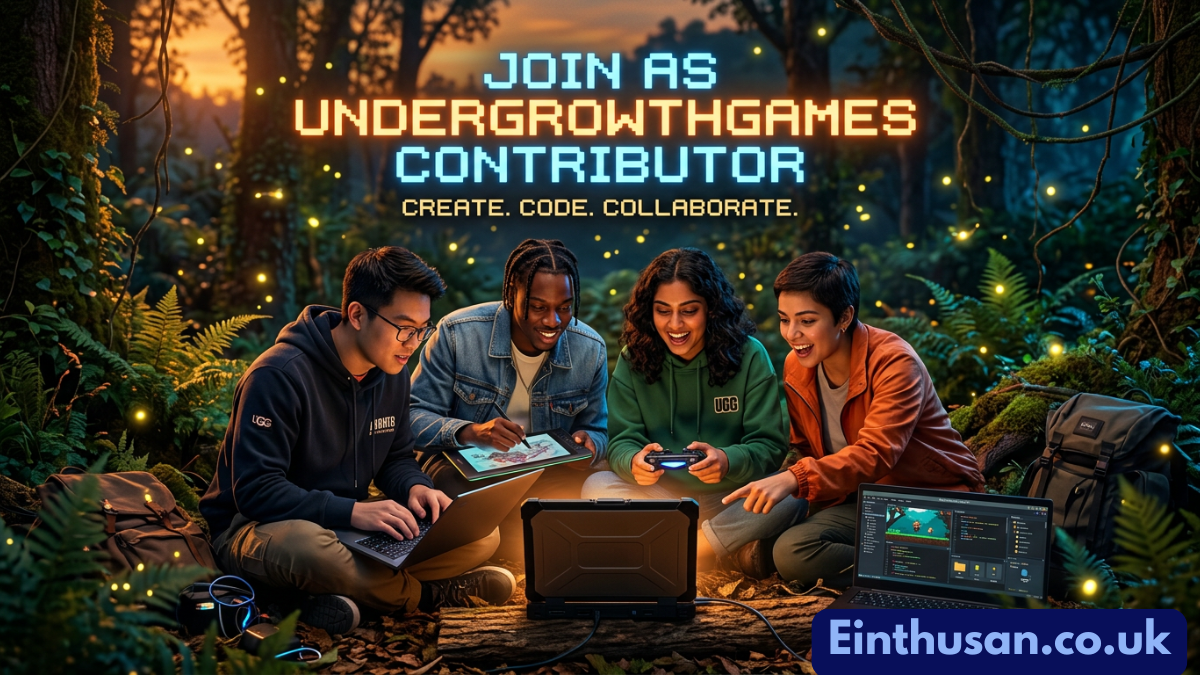
An UndergrowthGames contributor is essentially someone who actively participates in building, shaping, or improving projects associated with the UndergrowthGames ecosystem. This can range from game development support, creative asset production, coding, testing, writing documentation, or even contributing ideas that influence the direction of a project. Unlike traditional job roles where responsibilities are tightly defined, contributors often work in a more flexible and collaborative environment where impact matters more than titles.
What makes this role interesting is that it is not limited to professional developers or designers. Many contributors start as hobbyists who simply enjoy being part of game development communities. Over time, they naturally become more involved as they learn the workflow, understand the standards, and gain trust from other members. This gradual transition from observer to active contributor is one of the defining aspects of the ecosystem.
Another important thing to understand is that contribution is not always about writing code. In environments like UndergrowthGames, contributions are multi-layered. Someone might be improving sound design one day and testing gameplay mechanics the next. The flexibility allows individuals to explore different creative and technical roles while still adding value to the overall project.
The contributor identity is also tied to collaboration rather than hierarchy. Instead of rigid top-down instruction, contributors often interact with each other, share feedback, and refine ideas together. This creates a more organic development cycle where creativity and experimentation are encouraged rather than restricted.
Overall, being an UndergrowthGames contributor is less about fitting into a job description and more about participating in a living, evolving creative system where each individual input helps shape the final product.
Core Responsibilities and Day-to-Day Work of Contributors
The responsibilities of an UndergrowthGames contributor vary widely depending on the project’s current stage and the contributor’s skill set. However, there are some common patterns that define their day-to-day work. One of the most frequent tasks is assisting in game development cycles, which includes debugging, implementing features, and refining gameplay mechanics based on feedback.
Contributors often spend a significant amount of time reviewing and testing builds. This testing process is not just about finding bugs but also about evaluating the overall user experience. For example, a contributor might notice that a certain level feels too difficult or that a mechanic is not intuitive enough. These insights are then shared with the team to improve the final product.
Another major responsibility is asset creation. Depending on the project, contributors might design characters, environments, animations, or audio elements. Each asset must align with the artistic direction of the game, which means contributors need to understand the visual and thematic style very well. Consistency is key, and even small details matter in maintaining immersion.
Communication also plays a huge role in daily tasks. Contributors regularly interact through chats, forums, or project management tools to discuss progress, share updates, and resolve issues. Clear communication helps prevent misunderstandings and ensures that everyone is aligned with the project goals.
Lastly, contributors often engage in creative brainstorming sessions. These sessions are where new ideas are pitched, refined, and sometimes rejected or reshaped. This collaborative ideation process helps keep the projects fresh and innovative while giving contributors a sense of ownership over the final outcome.
Skills Required to Become an Effective UndergrowthGames Contributor
Becoming a successful contributor in the UndergrowthGames ecosystem requires a combination of technical skills, creative thinking, and collaborative abilities. While the exact skill set depends on the role someone takes, there are several foundational skills that are universally valuable.
One of the most important skills is adaptability. Projects in game development are constantly evolving, and contributors must be able to adjust quickly to new tools, workflows, or design changes. Someone who is rigid in their approach may struggle, while someone who is flexible can thrive even in uncertain environments.
Technical knowledge is also important, especially for those involved in programming or system design. Familiarity with game engines, scripting languages, and debugging techniques can significantly improve a contributor’s effectiveness. However, it is worth noting that contributors are often encouraged to learn on the job, so prior mastery is not always required.
Creativity is another core requirement. Whether designing a character or suggesting gameplay improvements, contributors need to think outside the box. Game development is not just about functionality; it is about creating engaging and memorable experiences. Creative input often leads to some of the most impactful improvements in a project.
Communication skills cannot be overlooked either. Since contributors work in collaborative environments, the ability to clearly explain ideas, give constructive feedback, and listen to others is essential. Miscommunication can slow down development or lead to inconsistent results, so clarity is highly valued.
Finally, problem-solving skills tie everything together. Contributors frequently encounter unexpected issues, whether technical bugs or design challenges. The ability to analyze a problem, break it down, and find practical solutions is what separates effective contributors from passive participants.
Tools, Workflow, and Development Environment
The workflow of an UndergrowthGames contributor is typically structured around collaboration tools and iterative development cycles. Contributors usually begin by accessing a shared project environment where they can view tasks, ongoing development updates, and assigned responsibilities. This centralized system helps keep everyone aligned and reduces confusion.
Version control systems play a crucial role in managing changes. Contributors often work on different parts of a project simultaneously, so tools that track modifications and allow merging of updates are essential. This ensures that progress is not lost and that multiple contributors can work on the same project without conflict.
Game engines and development platforms are also central to the workflow. Depending on the project, contributors may use engines that support scripting, physics simulation, animation, and rendering. These tools allow contributors to directly implement and test their ideas in real-time, which speeds up iteration.
Communication platforms are equally important. Contributors usually stay connected through chat systems, discussion boards, or voice channels. These platforms are where ideas are shared, problems are discussed, and feedback is exchanged. Strong communication infrastructure ensures that remote collaboration remains smooth and productive.
Testing and feedback loops are another key part of the workflow. Contributors regularly review builds, document issues, and suggest improvements. This cycle repeats continuously, allowing the project to evolve organically. Each iteration brings the game closer to its final polished form while incorporating diverse perspectives.
Community Interaction and Collaborative Culture
One of the defining aspects of being an UndergrowthGames contributor is the strong sense of community. Unlike isolated development environments, contributors are part of a collaborative network where interaction is constant and meaningful. This community-driven structure encourages openness and shared ownership of projects.
Contributors often engage in discussions that go beyond technical work. These conversations can include design philosophy, storytelling direction, or even general gaming trends. This broader engagement helps contributors understand the bigger picture and align their work with the project’s vision.
Mentorship is also a natural part of the community culture. Experienced contributors often guide newcomers, helping them understand workflows, tools, and expectations. This mentorship system is informal but highly effective, creating a supportive environment where learning is continuous.
Feedback is another important aspect of interaction. Contributors are encouraged to give and receive feedback regularly. This helps improve not only the project but also individual skills. Constructive criticism is valued, and the community generally focuses on improvement rather than judgment.
Social bonding also plays a role in maintaining a healthy collaborative environment. Contributors often form friendships through shared work and communication. This sense of belonging increases motivation and makes the development process more enjoyable and sustainable over time.
Challenges Faced by UndergrowthGames Contributors

Despite the creative and collaborative nature of the role, being an UndergrowthGames contributor comes with its own set of challenges. One of the most common difficulties is managing inconsistent workloads. Since contributions are often flexible, there can be periods of intense activity followed by slower phases, which requires good personal time management.
Another challenge is coordinating with multiple contributors who may have different working styles or opinions. While diversity of thought is beneficial, it can sometimes lead to disagreements or delays in decision-making. Resolving these conflicts constructively is an important part of the contributor experience.
Technical challenges are also frequent, especially for those involved in coding or system design. Bugs, performance issues, and compatibility problems can arise unexpectedly, requiring patience and analytical thinking to resolve. These issues can sometimes slow down progress, especially in complex systems.
Creative differences can also present challenges. Since contributors often have input on design and direction, there may be situations where ideas clash. Finding a balance between creative freedom and project consistency is essential to maintaining progress without stifling innovation.
Lastly, contributors may face learning curves when adapting to new tools or workflows. While this is part of the growth process, it can initially feel overwhelming. However, over time, most contributors become more comfortable and confident as they gain experience.
Opportunities and Growth Through Contribution
Being an UndergrowthGames contributor opens up numerous opportunities for personal and professional growth. One of the most significant benefits is skill development. Contributors gain hands-on experience in real-world game development processes, which can be far more valuable than theoretical learning.
Another major opportunity is portfolio building. Contributors often accumulate a body of work that demonstrates their abilities in coding, design, testing, or writing. This portfolio can be extremely useful for future career opportunities in the gaming or software industry.
Networking is another key advantage. Contributors interact with like-minded individuals, including developers, artists, and designers. These connections can lead to collaborations on future projects or even professional job opportunities.
There is also the opportunity for creative expression. Contributors are not limited to executing tasks; they often have the freedom to propose ideas and shape aspects of the project. This creative involvement can be highly rewarding for individuals passionate about game development.
Finally, some contributors transition into more formal roles over time. As they gain experience and demonstrate reliability, they may take on leadership responsibilities or more specialized positions within the development ecosystem.
How to Become an UndergrowthGames Contributor
Getting started as an UndergrowthGames contributor typically begins with curiosity and engagement. Many contributors start by joining community spaces, observing ongoing projects, and familiarizing themselves with the development style and expectations. This initial phase is important for understanding how things work before actively contributing.
The next step usually involves starting small. Beginners might contribute bug reports, minor fixes, or simple creative ideas. These early contributions help build trust and demonstrate commitment. Over time, as contributors become more comfortable, they can take on larger and more complex tasks.
Learning the necessary tools and skills is also essential. Depending on the area of interest, this could include game engines, programming languages, or design software. Continuous learning is a key part of becoming a successful contributor, and most communities encourage experimentation.
Building communication habits is equally important. Contributors should actively participate in discussions, ask questions, and provide feedback. Being engaged helps integrate them into the community and improves collaboration efficiency.
Eventually, consistent participation leads to recognition within the community. At this stage, contributors may receive more responsibilities or be invited to participate in core development tasks. This gradual progression ensures that contributors grow naturally into more impactful roles.
FAQs
What is an UndergrowthGames contributor?
An UndergrowthGames contributor is someone who actively participates in developing, designing, testing, or improving projects within the UndergrowthGames ecosystem.
Do I need professional experience to become a contributor?
No, many contributors start as beginners and learn through participation and collaboration over time.
What kind of work do contributors do?
They may work on coding, design, testing, storytelling, asset creation, or providing feedback on gameplay.
Is contribution a paid role?
It depends on the project structure, but many contributions are community-driven and voluntary in nature.
How can I start contributing effectively?
Start by joining the community, learning the tools, and making small contributions like bug reports or minor improvements.
Also read: Money BetterThisWorld: Understanding How Money Can Shape a Better Future
About the Author