Introduction: Why Money and “BetterThisWorld” Belong in the Same Conversation
Money is often treated like a purely personal topic, something we chase, save, or stress over in isolation. But in reality, money is deeply connected to how the world functions, how opportunities are created, and how societies evolve. The idea behind “money betterthisworld” can be understood as a mindset where financial systems, personal wealth, and collective responsibility come together to create something more balanced and meaningful. Money is not just currency; it is a tool that influences education, healthcare, innovation, and even environmental outcomes.
When people think about improving the world, they often think in terms of activism, policy, or charity. While those are important, the role of money quietly sits underneath all of them. Every major improvement in society requires funding, planning, and sustainable financial systems. Whether it is building schools in underserved regions or developing clean energy technologies, money becomes the invisible engine that powers progress. This is where the concept of “betterthisworld” becomes practical rather than idealistic.
At the personal level, money also shapes how individuals experience life. Financial stability can reduce stress, increase freedom of choice, and open doors to opportunities that would otherwise remain closed. But beyond personal comfort, there is also a broader question: how can money be used not only to improve individual lives but also to contribute to a healthier, fairer, and more sustainable world? That question is at the core of this discussion.
The Real Meaning of Money in the Modern World
Money today is far more complex than simple cash exchanges. It represents digital value, trust systems, and global interconnectedness. With the rise of digital banking, cryptocurrencies, and instant payment systems, money has become less about physical form and more about data and access. This shift has changed how people interact with wealth and how economies function at every level.
In modern society, money is also a reflection of time and effort. People exchange their skills, knowledge, and labor for financial compensation, which they then use to secure their needs and desires. However, this exchange is not always balanced. Some industries and regions generate significantly more wealth than others, creating gaps that influence global inequality. Understanding this imbalance is essential when discussing how money can contribute to a better world.
Another important aspect of money today is perception. Many people associate money with success, power, or freedom, while others see it as a source of stress or inequality. These perceptions shape behavior, influence decisions, and even affect mental health. In the context of “betterthisworld,” redefining money as a neutral tool rather than an emotional burden can help individuals and societies make more conscious financial decisions that lead to long-term benefits.
The Psychology Behind Money and Human Behavior
Money is not just an economic instrument; it is deeply psychological. Human beings attach emotions, memories, and beliefs to money from an early age. These beliefs often come from family environments, cultural backgrounds, and personal experiences. For example, someone who grew up in financial scarcity may develop a mindset focused on saving and fear of loss, while someone from a financially stable background may view money with more flexibility and confidence.
These psychological patterns influence how people earn, spend, and invest. Impulsive spending, fear-based saving, and overconfidence in financial decisions are all rooted in emotional responses rather than logical analysis. Understanding this helps explain why financial education is just as important as financial opportunity. Without awareness of these psychological biases, even high-income individuals can struggle with poor financial outcomes.
In the broader “betterthisworld” perspective, financial psychology plays a key role in shaping societal behavior. If communities are educated not only about earning money but also about managing emotions tied to money, they can make more stable and sustainable decisions. This leads to healthier economies, reduced debt cycles, and improved long-term planning at both individual and collective levels.
How Money Shapes Society and Global Development
Money influences almost every aspect of society, from infrastructure development to education systems. Countries with stronger financial systems tend to invest more in public services, research, and innovation. This creates a cycle where money fuels development, and development generates more economic growth. However, when financial systems are weak or mismanaged, the opposite effect occurs, leading to stagnation and inequality.
One of the most visible impacts of money on society is in education. Schools, universities, and training institutions rely heavily on funding to provide quality education. When financial resources are limited, education systems suffer, which in turn limits future economic opportunities. This shows how money is not just a personal asset but a foundational element of societal progress.
Healthcare is another area where money plays a critical role. Access to medical services, research for new treatments, and the availability of healthcare professionals are all tied to financial investment. In the “betterthisworld” vision, equitable access to healthcare becomes possible only when financial systems prioritize human well-being alongside profit. This requires a shift in how resources are allocated globally.
The Evolution of Money in the Digital Era
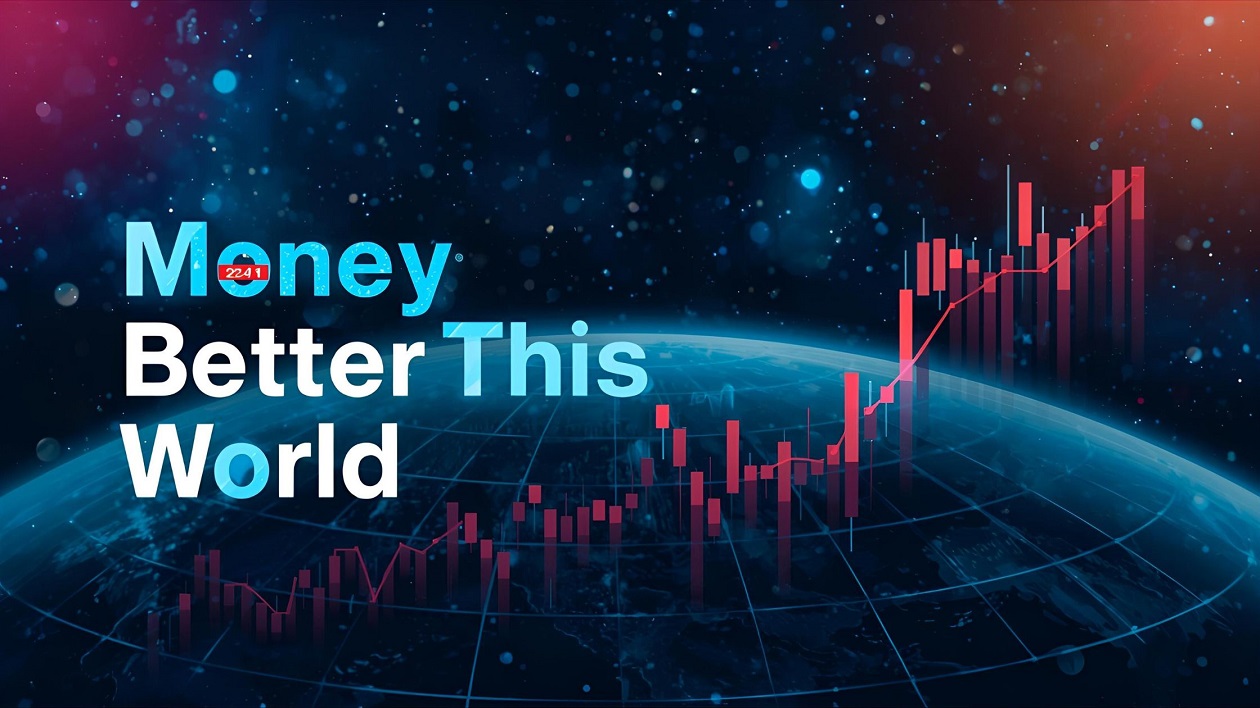
The digital transformation of money has been one of the most significant economic shifts in modern history. Traditional cash systems are increasingly being replaced by digital wallets, online banking, and decentralized financial platforms. This evolution has made financial transactions faster, more accessible, and more global than ever before.
Cryptocurrencies and blockchain technology have introduced new ways of thinking about money. Instead of relying on centralized institutions, these systems allow for peer-to-peer transactions that are transparent and secure. While still evolving, they represent a potential shift in how trust and value are managed in the global economy.
However, the digital era also introduces new challenges. Cybersecurity risks, digital inequality, and financial literacy gaps are becoming more prominent. Not everyone has equal access to digital financial tools, which can create new forms of exclusion. In the context of “betterthisworld,” addressing these gaps is essential to ensure that financial evolution benefits everyone rather than a select group.
Smart Money Habits for Individuals
Developing smart money habits is one of the most effective ways individuals can contribute to both personal success and broader societal stability. Budgeting, saving, and investing are foundational practices that help people manage their finances effectively. These habits are not just about accumulating wealth but about creating financial resilience.
One of the most important habits is understanding the difference between needs and wants. Many financial problems arise when people prioritize short-term desires over long-term stability. By learning to delay gratification and make intentional spending decisions, individuals can significantly improve their financial health over time.
Another key habit is continuous financial learning. The world of money is constantly evolving, and staying informed about new financial tools, investment opportunities, and economic trends is essential. In the “betterthisworld” mindset, financially educated individuals are not only improving their own lives but also contributing to more informed and stable communities.
Ethical Money and Building a Better World
Ethical money refers to how financial decisions impact society, the environment, and future generations. It involves considering where money is invested, how businesses operate, and what kind of economic systems are being supported. Ethical finance encourages people to think beyond profit and consider long-term consequences.
Corporate responsibility plays a major role in this area. Companies that prioritize ethical practices, fair wages, and sustainable production methods contribute positively to global development. On the other hand, businesses that exploit resources or workers for short-term gain can create long-term harm. Consumers also have power in this system through their spending choices.
In the “betterthisworld” framework, ethical money is not optional; it is essential. When individuals and organizations align their financial decisions with ethical principles, they help build a more balanced and sustainable global economy. This shift requires awareness, accountability, and a willingness to prioritize long-term value over short-term gain.
Investing, Wealth Growth, and Financial Literacy
Investing is one of the most powerful tools for building wealth and creating financial independence. It allows money to grow over time through assets such as stocks, real estate, and businesses. However, investing is not just about personal gain; it also plays a role in funding innovation and economic growth.
Financial literacy is essential for making informed investment decisions. Without proper knowledge, individuals can fall into risky or uninformed financial choices. Understanding risk, diversification, and long-term strategy helps create more stable financial outcomes. In many ways, financial literacy is the foundation of economic empowerment.
From a “betterthisworld” perspective, investing also has a collective impact. When people invest in sustainable businesses, renewable energy, or socially responsible companies, they help shape the direction of the economy. This means that investment decisions are not just personal financial strategies but also contributions to global development.
The Future of Money and Global Transformation
The future of money is likely to be shaped by technology, sustainability, and globalization. Digital currencies may become more widely adopted, while traditional financial systems continue to evolve. Artificial intelligence and automation will also influence how financial services are delivered and managed.
One possible direction is the increased integration of financial systems across borders. As the world becomes more connected, money will flow more freely between countries, creating both opportunities and challenges. This could lead to greater economic collaboration but also requires stronger regulatory frameworks.
In the “betterthisworld” vision, the future of money is not just about efficiency but about fairness and accessibility. A truly advanced financial system is one that supports inclusion, reduces inequality, and enables individuals from all backgrounds to participate in economic growth.
Conclusion: Money as a Tool for a Better World
Money itself is neither good nor bad; it is a tool shaped by how people use it. When used without awareness, it can contribute to inequality, stress, and imbalance. But when used thoughtfully, it can become one of the most powerful forces for positive change in the world.
The concept of “betterthisworld” encourages a shift in perspective. Instead of viewing money as an end goal, it becomes a means to create opportunity, stability, and progress. Whether through ethical spending, smart investing, or financial education, every financial decision has the potential to contribute to a larger impact.
Ultimately, building a better world through money requires both individual responsibility and collective action. It is about aligning financial systems with human values and ensuring that economic growth benefits not just a few, but many.
FAQs
What does “money betterthisworld” mean?
It refers to using money as a tool to improve personal lives and contribute to a more balanced, fair, and sustainable world.
How can money improve society?
Money supports education, healthcare, infrastructure, and innovation, which directly improve quality of life and opportunities.
Is financial literacy important for everyone?
Yes, understanding money helps individuals make better decisions, avoid debt, and build long-term stability.
Can investing really help the world?
Yes, investing in responsible and innovative companies helps fund progress and encourages sustainable development.
What is ethical money usage?
It means making financial decisions that consider social, environmental, and long-term impacts, not just profit.
Also read: Laila Cunningham Husband: What People Search, What’s Known, and What Remains Private
About the Author