Introduction to Schoology Alfa and Its Role in Digital Education
Schoology Alfa is often discussed as a modern or enhanced way of understanding how learning management systems evolve, especially when people refer to the platform Schoology in practical, real-world classroom settings. While “Alfa” is not an official separate product line, it is commonly used as a conceptual reference to early access features, experimental workflows, or optimized digital learning experiences built around Schoology’s core system. In simple terms, it reflects how educators and students experience Schoology when it is used at its most adaptive and forward-thinking stage.
At its core, Schoology Alfa represents the shift from traditional classroom methods to a more connected, digital-first environment. Education today is not limited to physical classrooms, and platforms like Schoology help bridge the gap between teachers, students, and content. The “Alfa” idea highlights the evolving nature of these tools, where updates, experimentation, and user-driven improvements shape how learning is delivered and consumed.
Another important aspect of Schoology Alfa is how it symbolizes flexibility. Instead of rigid systems, it reflects a learning environment where tools, assignments, communication, and grading all work together seamlessly. This approach helps schools adapt to hybrid learning models, remote education, and personalized learning paths. As we go deeper into this article, we’ll explore how this concept influences students, teachers, and the entire digital classroom ecosystem.
Understanding the Core Structure of Schoology Alfa
Schoology Alfa, when viewed through the lens of Schoology, is built around a structured yet flexible framework that supports academic life. It combines course management, content delivery, and communication tools into a single system. This unified structure allows users to avoid juggling multiple platforms, making the learning experience more streamlined and efficient.
One of the most important structural elements is the course-based organization. Each subject or class is treated as a separate digital space where teachers can upload materials, create assignments, and interact with students. In the “Alfa” interpretation, this structure becomes even more dynamic, allowing faster updates, experimental layouts, and improved navigation that make it easier for users to find what they need without confusion.
Another key part of the structure is the centralized dashboard. This is where students and teachers see upcoming deadlines, announcements, and recent activities. It acts like a control center for academic tasks. In Schoology Alfa-style usage, this dashboard becomes more intuitive and responsive, helping users prioritize tasks and stay organized even when managing multiple classes or responsibilities at once.
How Students Experience Schoology Alfa in Daily Learning
For students, Schoology Alfa creates a more organized and predictable learning routine. Through Schoology, they can access assignments, lecture notes, quizzes, and feedback in one place. This reduces the stress of switching between different apps or missing important updates from teachers. Everything is structured in a way that supports consistency and academic discipline.
Daily usage often revolves around checking updates, submitting assignments, and reviewing feedback. In an Alfa-like optimized environment, students benefit from clearer layouts and faster access to essential tools. For example, assignment deadlines are prominently displayed, and submission systems are designed to reduce errors such as uploading the wrong file or missing attachments. This helps students focus more on learning rather than technical difficulties.
Beyond academics, Schoology Alfa also encourages better self-management. Students learn to track their own progress, monitor grades, and identify areas where they need improvement. This builds a sense of responsibility and independence, which is essential in modern education systems. Instead of relying entirely on teachers for reminders, students become active participants in managing their educational journey.
Teacher Workflow and Classroom Management in Schoology Alfa
Teachers play a central role in shaping how Schoology functions in real classrooms, and Schoology Alfa enhances this role by simplifying classroom management. Teachers can design entire courses digitally, upload resources, and distribute assignments with just a few clicks. This reduces administrative workload and allows more time for actual teaching and student interaction.
One of the strongest advantages for teachers is grading efficiency. Instead of manually tracking assignments, Schoology provides automated tools that help organize submissions and calculate grades. In an Alfa-style environment, these tools become even more refined, offering faster grading workflows, better rubric integration, and clearer student performance analytics. This helps teachers make more informed decisions about student progress.
Additionally, communication becomes much more structured. Teachers can post announcements, send direct messages, and engage in discussions with students. This ensures that no student is left behind due to missed instructions or unclear expectations. The system supports both synchronous and asynchronous communication, making it adaptable to different teaching styles and classroom needs.
Communication and Collaboration Features in Schoology Alfa
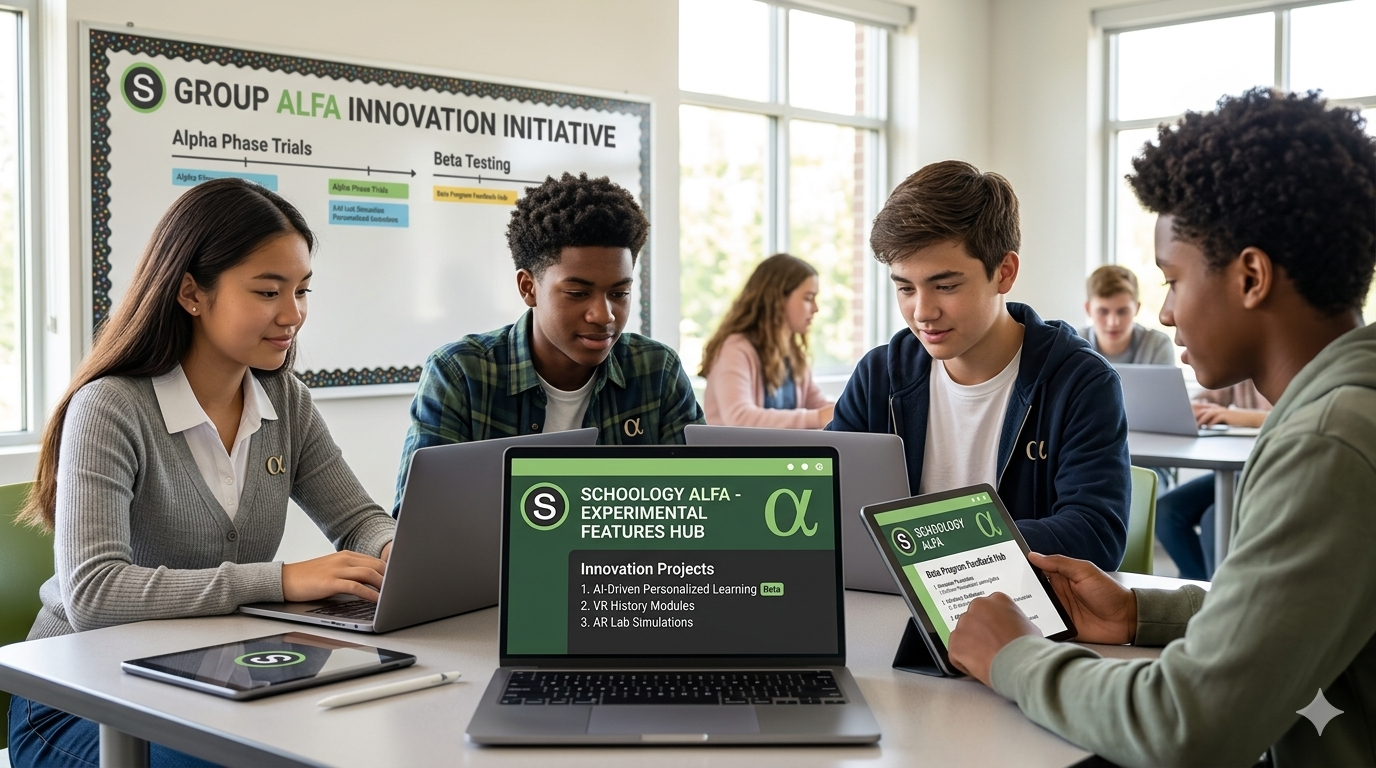
Communication is one of the most powerful aspects of Schoology, and the Schoology Alfa concept takes this even further by emphasizing seamless interaction. Students and teachers can communicate through announcements, discussion boards, and direct messaging, ensuring that learning continues beyond classroom walls.
Discussion boards are particularly important because they encourage collaboration among students. Instead of passive learning, students can actively participate in conversations, share ideas, and respond to peers. In a Schoology Alfa-style environment, these discussions become more fluid and interactive, often resembling real-time academic forums where knowledge is continuously exchanged.
Collaboration also extends to group projects. Students can work together digitally, share files, and contribute to shared assignments without needing to meet physically. This is especially useful in remote or hybrid learning environments. The platform ensures that every contribution is tracked, making group work more transparent and fair in terms of evaluation.
Assignments, Grading, and Academic Assessment Systems
Assignments are at the heart of Schoology, and Schoology Alfa enhances how they are created, submitted, and evaluated. Teachers can design assignments with detailed instructions, attach resources, and set deadlines that automatically sync with student calendars. This reduces confusion and improves time management for everyone involved.
From a student perspective, submitting assignments becomes straightforward. Files can be uploaded directly, and feedback is often returned digitally. In an Alfa-optimized system, submission errors are minimized, and students receive clearer notifications about their progress. This ensures that academic work flows smoothly without unnecessary interruptions or delays.
Grading systems are also more transparent. Teachers can use rubrics, point systems, and automated grading tools to evaluate student performance. Students, in turn, can view their grades and feedback in real time. This level of transparency helps build trust in the educational process and encourages students to improve continuously based on constructive feedback.
Integration with Modern Educational Tools and Technologies
One of the strongest features of Schoology is its ability to integrate with other digital tools, and the Schoology Alfa concept emphasizes this interoperability even more. Schools today use a wide range of educational technologies, from video conferencing tools to cloud storage systems, and integration ensures everything works together smoothly.
For example, Schoology can connect with tools like Google Drive, Microsoft Office, and various third-party educational apps. This allows teachers to embed external resources directly into their courses. In a Schoology Alfa-style setup, these integrations feel more seamless, reducing the need for switching between platforms and improving overall efficiency.
This integration also benefits students by providing a unified learning environment. Instead of managing multiple accounts and logins, they can access everything through one platform. This not only saves time but also reduces confusion, especially for younger students or those new to digital learning systems.
Benefits and Limitations of Schoology Alfa
The benefits of using Schoology in an Alfa-style environment are significant. It improves organization, enhances communication, and supports flexible learning models. Students and teachers both benefit from having a centralized system that handles academic tasks efficiently. It also encourages digital literacy, which is an essential skill in today’s world.
However, there are also limitations. Like any digital platform, it depends heavily on internet access and device availability. Students without reliable connectivity may face challenges in keeping up with coursework. Additionally, while the system is user-friendly, it still requires a learning curve, especially for users who are not familiar with digital learning platforms.
Another limitation is over-reliance on technology. While Schoology Alfa improves efficiency, it can sometimes reduce face-to-face interaction in traditional classroom environments. This makes it important for educators to balance digital and physical teaching methods to ensure a well-rounded learning experience.
The Future of Schoology Alfa and Digital Learning Platforms
The future of Schoology and its Alfa-style evolution is closely tied to advancements in educational technology. As artificial intelligence, automation, and data analytics continue to develop, learning platforms are expected to become even more personalized and adaptive.
In the coming years, we can expect smarter dashboards that predict student performance, suggest learning materials, and automate administrative tasks. The Schoology Alfa concept fits naturally into this future, where experimentation and continuous improvement define how digital classrooms operate.
Ultimately, the evolution of Schoology and similar platforms points toward a more connected and intelligent education system. Learning will become more flexible, personalized, and data-driven, helping both students and teachers achieve better outcomes with less friction.
Frequently Asked Questions (FAQs)
What is Schoology Alfa in simple terms?
It is a conceptual way of describing an enhanced or optimized use of the Schoology learning platform in digital education.
Is Schoology Alfa a separate application?
No, it is not a separate app but rather a way of referring to improved or experimental usage of Schoology features.
Can students access Schoology Alfa on mobile devices?
Yes, Schoology is accessible on mobile devices through apps and browsers for convenient learning access.
How does Schoology Alfa help teachers?
It helps teachers manage courses, grade assignments, and communicate with students more efficiently in a digital environment.
Does Schoology Alfa require technical skills?
Basic digital literacy is enough, and the platform is designed to be user-friendly for both students and teachers.
Also read: Business FTAsiaStock: A Complete Expert Guide to Modern Asian Stock Market Opportunities
About the Author