Yes, a professional asbestos inspection can find many types of hidden or concealed asbestos-containing materials (ACMs), but it cannot always identify every material without opening concealed areas or collecting samples for laboratory testing. A thorough inspection combines building records, visual examination, knowledge of older construction materials, and targeted sampling to determine where asbestos may be present.
For older homes and commercial buildings, hidden asbestos can be found behind walls, under flooring, around pipes, inside mechanical systems, above ceilings, and in other areas that are not visible during a normal walk-through. This is why professional Asbestos Inspection in Long Island is especially important before renovation, remodeling, repair, or demolition work.
In New York, asbestos survey requirements are also tied to the work being performed and the areas that may be disturbed. New York State regulations require qualifying asbestos surveys to include a thorough inspection for presumed asbestos-containing material (PACM), suspect materials, and asbestos materials in the affected building or portion of the building.
What Is Hidden Asbestos?
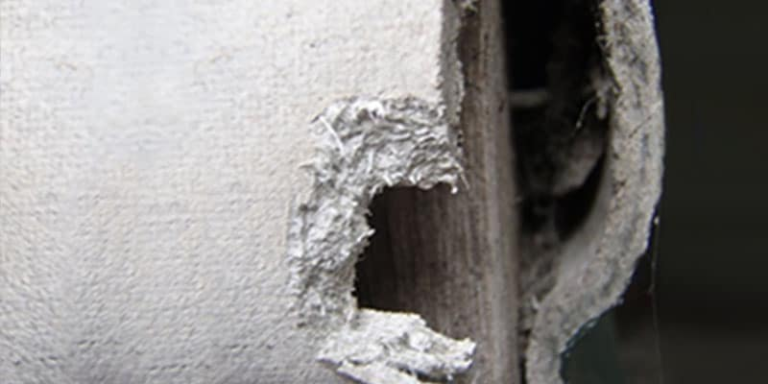
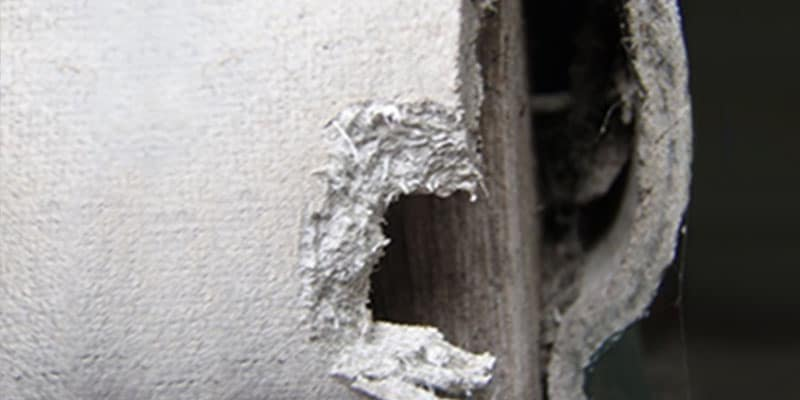
Hidden asbestos is asbestos-containing material that cannot be easily seen during a basic visual inspection. It may be covered by another building material, located inside a wall or ceiling, underneath flooring, or installed around pipes and other building systems.
Asbestos was widely used in construction because it is strong, heat-resistant, and resistant to many chemicals. It was used in a wide range of products, including insulation, flooring materials, ceiling products, pipe insulation, adhesives, cement products, and some wall and joint materials.
The problem is that asbestos cannot be reliably identified just by looking at it. A material may look harmless but still contain asbestos. Laboratory analysis is needed when sampling is appropriate.
OSHA defines asbestos-containing material as material containing more than 1% asbestos. OSHA also identifies certain older thermal system insulation and surfacing materials as presumed asbestos-containing material under its construction standard.
Can an Asbestos Inspection Find Hidden Asbestos?
Yes, but the ability to identify hidden asbestos depends on the scope of the inspection and how accessible the suspected materials are.
A professional inspector does more than walk through a property and look for obvious signs. The inspection should consider the building’s age, construction history, renovation records, materials used, and areas that could be affected by planned work.
For example, an inspector may identify visible asbestos-containing floor tiles but also recognize that adhesive or underlying materials could contain asbestos. Similarly, visible pipe insulation may indicate that additional insulation is present in inaccessible sections of a mechanical system.
New York’s asbestos survey rules specifically require review of available building plans and records and a visual inspection of the building or affected portion for suspect materials.
This is one reason Asbestos Inspection in Long Island should be completed before work begins rather than after a contractor has already opened a wall or removed flooring.
Where Can Hidden Asbestos Be Found?
Hidden asbestos is not limited to one part of an older building. It can occur in many different construction materials and locations.
Behind Walls and Ceilings
Some asbestos-containing materials may be located behind wall finishes, ceiling systems, or other layers of construction.
For example, asbestos may be present in certain joint compounds, plaster, textured coatings, insulation, or other materials associated with walls and ceilings. If a renovation involves cutting into these areas, the concealed material could become disturbed.
A visual inspection can identify accessible suspect materials. However, completely concealed materials may require additional investigation depending on the planned work.
Under Flooring
Older floor systems can contain more than one layer of potentially suspect material.
Vinyl floor tiles, sheet flooring, backing materials, and adhesives or mastics may contain asbestos. A newer floor covering does not necessarily mean that the older material underneath is gone.
This matters during remodeling because removing the top layer may expose an older layer that was never visible during a standard walk-through.
Around Pipes and Mechanical Systems
Pipe and boiler insulation is another important area of concern.
Older buildings may contain asbestos insulation around pipes, ducts, boilers, tanks, or other mechanical components. Some of these materials can be hidden behind walls, inside mechanical rooms, or in areas that are difficult to access.
Damage, deterioration, maintenance, or renovation can disturb these materials. OSHA’s construction asbestos standard specifically covers activities such as demolition, removal, alteration, repair, maintenance, and renovation involving asbestos.
Above Suspended Ceilings
A suspended ceiling can hide older materials above it. Pipes, insulation, fireproofing, structural materials, and other components may not be visible from the occupied space below.
When contractors plan electrical, plumbing, HVAC, or structural work above a suspended ceiling, the area above the ceiling may need to be evaluated as part of the asbestos survey.
Inside Mechanical Areas
Mechanical rooms can contain several older building products that are difficult to recognize without experience.
Insulation, gaskets, packing materials, duct materials, boiler components, and other products may require evaluation before maintenance or replacement work begins.
Because mechanical systems can contain multiple layers of materials, an experienced inspector should consider the full scope of the planned work rather than examining only the most obvious surface.
How Does an Asbestos Inspection Find Concealed Materials?
A professional inspection generally follows a systematic process rather than relying on one test.
1. Review of Building Information
The inspector may review available construction plans, renovation records, previous inspection reports, and information about the building’s age and materials.
This information can help identify areas that deserve closer attention.
New York’s asbestos survey requirements specifically include reviewing available building plans and records for references to asbestos, ACM, PACM, and suspect materials.
2. Visual Inspection
The inspector then examines accessible areas of the property for suspect materials.
This includes looking at flooring, ceilings, walls, insulation, mechanical systems, and other components that may be affected by planned renovation, repair, remodeling, or demolition.
The purpose is not simply to find visible asbestos. It is also to determine where suspect materials may be concealed or connected to materials that are visible.
3. Identifying Homogeneous Areas
Similar materials may be grouped into homogeneous areas for sampling purposes.
This helps an inspector determine whether samples adequately represent a particular material or area. Sampling should not be random. It should be based on the materials present, their location, appearance, use, and relationship to the planned work.
4. Bulk Sampling
When a material needs laboratory confirmation, the inspector may collect a small bulk sample.
The sample is sent to an appropriate laboratory for analysis. The laboratory result can confirm whether asbestos is present and, depending on the testing method and reporting requirements, identify the asbestos type and concentration.
Under the EPA’s AHERA sampling requirements, bulk samples are collected from homogeneous areas when determining whether certain suspected materials are asbestos-containing. For non-friable suspected material, the EPA states that at least two samples are required under the cited AHERA provision, although an inspector may determine that additional samples are necessary.
5. Documentation and Reporting
A professional inspection should result in documentation showing what areas and materials were inspected, what was sampled, and what the laboratory results showed.
This report can help property owners, contractors, architects, and project managers understand what materials may be affected before work begins.
Can an Inspection Find Asbestos Without Opening Walls?
Sometimes, but not always.
This is an important distinction for property owners. A professional asbestos inspector can identify accessible suspect materials and use available building information to assess areas that may be concealed. However, an inspection cannot magically see through a finished wall, sealed floor, or other inaccessible structure.
If suspected asbestos is completely enclosed and the planned work will not disturb it, invasive investigation may not always be necessary.
However, if renovation or demolition will disturb the concealed area, additional investigation may be needed so the project does not unexpectedly encounter asbestos-containing material.
The scope of the inspection should therefore match the scope of the planned work.
For example, an inspection for a kitchen renovation may focus on the walls, flooring, ceiling, cabinets, and mechanical areas that will be affected. A full-building demolition survey has a much broader purpose.
Why Hidden Asbestos Is a Concern During Renovation
Asbestos-containing material can become a hazard when it is damaged or disturbed.
Cutting, drilling, sanding, grinding, scraping, breaking, or demolishing suspect materials can release asbestos fibers. Once airborne, these microscopic fibers can be inhaled.
OSHA’s construction standard addresses asbestos exposure during demolition, removal, encapsulation, construction, alteration, repair, maintenance, and renovation activities.
This is why waiting until construction starts to investigate asbestos is a poor approach.
A contractor may remove flooring, open a wall, or disturb insulation before anyone realizes that the material requires asbestos controls. Identifying suspect materials before work begins gives the property owner and project team an opportunity to make informed decisions and follow applicable requirements.
Is Asbestos Testing the Same as an Asbestos Inspection?
No. The terms are related, but they describe different parts of the assessment process.
An asbestos inspection is the broader process of examining a property and identifying suspect materials and potential asbestos hazards.
Asbestos testing generally refers to analyzing samples to determine whether asbestos is present.
In many cases, both are needed. An inspector may identify a suspect material during the inspection and collect a representative bulk sample for laboratory analysis.
Laboratory testing is particularly important because visual appearance alone cannot reliably confirm asbestos content.
Quest Mold & Asbestos Inspections and Testing explains that its asbestos testing service uses bulk sampling and independent laboratory analysis to confirm whether asbestos is present in suspected materials.
Does Every Older Building Have Hidden Asbestos?
No. An older building does not automatically contain asbestos in every material.
However, age is an important factor when assessing potential asbestos-containing materials because asbestos was widely used in older construction.
The exact risk depends on the property’s construction date, renovation history, materials used, and the work planned.
It is also important not to assume that a material is asbestos-free simply because it looks new. Older materials may remain underneath newer finishes, particularly in buildings that have undergone multiple renovations.
This is why an experienced inspector evaluates the building as a system rather than relying only on visible surfaces.
When Should You Get an Asbestos Inspection?
The best time is before renovation, remodeling, repair, or demolition begins.
You should consider an inspection when work could disturb older building materials, particularly when the property contains materials of uncertain age or composition.
An inspection can be especially useful before:
- Removing or replacing old flooring
- Opening walls or ceilings
- Renovating kitchens or bathrooms
- Replacing old insulation
- Working around boilers, pipes, or mechanical systems
- Removing suspended ceilings
- Performing major electrical or plumbing work
- Remodeling older commercial properties
- Preparing a building for demolition
New York State requires qualifying asbestos surveys before certain demolition, renovation, remodeling, and repair work, with specific requirements for identifying suspect materials in the affected areas.
The exact legal requirements can depend on the property, project, and type of work, so property owners should confirm the applicable requirements with the appropriate New York authorities and qualified professionals.
Why Professional Asbestos Inspection Matters in Long Island
DIY asbestos identification is risky because asbestos fibers cannot be reliably identified by sight.
Taking apart an old material yourself to see what is underneath can potentially disturb the very material you are trying to investigate.
A professional inspection provides a controlled process for identifying suspect materials, assessing their condition, determining where sampling may be appropriate, and documenting the findings.
For property owners considering Asbestos Inspection in Long Island, choosing an appropriately licensed and qualified inspection professional is particularly important because New York has specific asbestos requirements and certification rules.
Quest Mold & Asbestos Inspections and Testing states that it provides asbestos inspection and testing services throughout Long Island and works with NYS DOL-certified asbestos inspectors. The company also operates as an inspection and testing firm rather than an asbestos abatement contractor, which can help keep inspection and remediation decisions independent.
What Happens If Hidden Asbestos Is Found?
Finding asbestos does not automatically mean that the entire building must be evacuated or that every asbestos-containing material must be removed.
The appropriate response depends on the material’s location, condition, accessibility, and whether planned work will disturb it.
In some situations, asbestos-containing material may be left in place and managed to prevent disturbance. In other situations, removal or another control method may be required before renovation or demolition can proceed.
The important point is to avoid disturbing the material before its status and the appropriate response have been determined.
A professional inspection report can provide the information needed for the property owner and project team to plan the next step.
How to Prepare for an Asbestos Inspection
Before the inspector arrives, gather any building records you have, including previous inspection reports, renovation documents, construction plans, and information about recent remodeling.
It is also helpful to explain exactly what work you plan to perform.
For example, tell the inspector whether you intend to remove flooring, open walls, replace a ceiling, renovate a bathroom, replace pipes, or demolish a structure. The planned work can affect which areas need to be evaluated.
Most importantly, avoid disturbing suspicious materials before they are assessed.
If you are planning renovation or repair work on an older property, arranging Asbestos Inspection in Long Island before construction starts can help identify potential asbestos-containing materials while there is still time to plan the project properly.
Frequently Asked Questions
Can an asbestos inspection detect asbestos behind walls?
An inspection can identify accessible suspect materials and may identify concealed materials based on construction records, visual clues, and the materials connected to the work area. However, completely inaccessible materials cannot always be confirmed without opening or otherwise accessing the concealed area.
Can you tell if something contains asbestos by looking at it?
No. Visual inspection can identify materials that are suspicious, but laboratory analysis is generally needed to confirm whether a sampled material contains asbestos.
Does asbestos always need to be removed?
No. The appropriate response depends on the material, its condition, its location, and whether it will be disturbed. Removal is not automatically required simply because asbestos is present.
Should I test before renovating an older home?
If renovation could disturb suspect building materials, an asbestos inspection before work begins is a prudent step and may be required under applicable regulations. New York’s asbestos rules establish survey requirements for qualifying renovation, remodeling, repair, and demolition work.
Can a home inspection replace an asbestos inspection?
Not necessarily. A standard home inspection and an asbestos survey have different purposes. A qualified asbestos inspector has specific training and certification for identifying and assessing suspect asbestos-containing materials.
Get Professional Asbestos Inspection Before Disturbing Older Materials
Hidden asbestos can be difficult to recognize because it may be covered, enclosed, or mixed into ordinary-looking construction materials. A professional inspection helps identify suspect materials, determine where sampling is needed, and document asbestos conditions before renovation or demolition creates an unnecessary exposure risk.
If you are planning work on an older residential or commercial property, do not rely on appearance alone. Arrange Asbestos Inspection in Long Island before disturbing materials that may contain asbestos.
Quest Mold & Asbestos Inspections and Testing provides asbestos inspection and testing services across Long Island, including Nassau and Suffolk County. The company focuses on inspection and testing rather than remediation and states that its services are performed by NYS-certified professionals.
About the Author