Understanding Shchi Soup
Shchi is one of those traditional dishes that feels simple at first glance but carries a deep cultural story behind it. It is a classic cabbage-based soup that has been part of Eastern European cuisine for centuries, especially in Russia. At its core, it is made using cabbage, broth, and a mix of vegetables, but the beauty of it lies in how flexible and comforting it can be depending on who is cooking it.
Historically, shchi dates back to ancient Slavic kitchens where cabbage was one of the most accessible and reliable crops throughout the year. Because of that, it became a staple in everyday meals, especially in colder seasons when fresh produce was limited. Over time, it evolved from a basic peasant dish into something that even aristocratic households enjoyed, proving its versatility and lasting appeal.
What makes shchi soup near me interesting is that it doesn’t rely on complexity to stand out. Instead, it leans on slow cooking and balanced flavors. Some versions are made with fresh cabbage, while others use fermented cabbage, which gives the soup a tangy and deeper flavor profile. That adaptability is one of the reasons it has survived for generations and continues to be appreciated worldwide.
Today, shchi is no longer confined to Russia or Eastern Europe. With global food culture expanding, people are discovering it in international restaurants, home kitchens, and even through online searches when they suddenly crave something warm and hearty.
Why People Search “Shchi Soup Near Me”
When someone types “shchi soup near me,” it usually reflects a very specific kind of craving. It’s not just about hunger; it’s about wanting something warm, nourishing, and a little different from everyday soups. This search often comes from people who have either tried shchi before or have heard about it and want to experience it freshly prepared.
In a modern food landscape, search behavior like this shows how global cuisine has become local. People expect to find international dishes in their own city without having to travel far. So when someone is in a place like Karachi and searches for shchi, they are really hoping to find restaurants that experiment with global menus or specialty soups.
Another reason behind this search is curiosity driven by social media or travel content. A video or post might showcase a steaming bowl of shchi, and that visual appeal triggers an immediate desire to taste it. Instead of learning to cook it first, many users want the quickest route: finding a place nearby that serves it ready-made and authentic.
There is also a comfort factor involved. Soup-based dishes are often associated with relaxation and recovery. So searches like this are not just about food discovery—they are also about emotional comfort and convenience.
What Makes Authentic Shchi Special
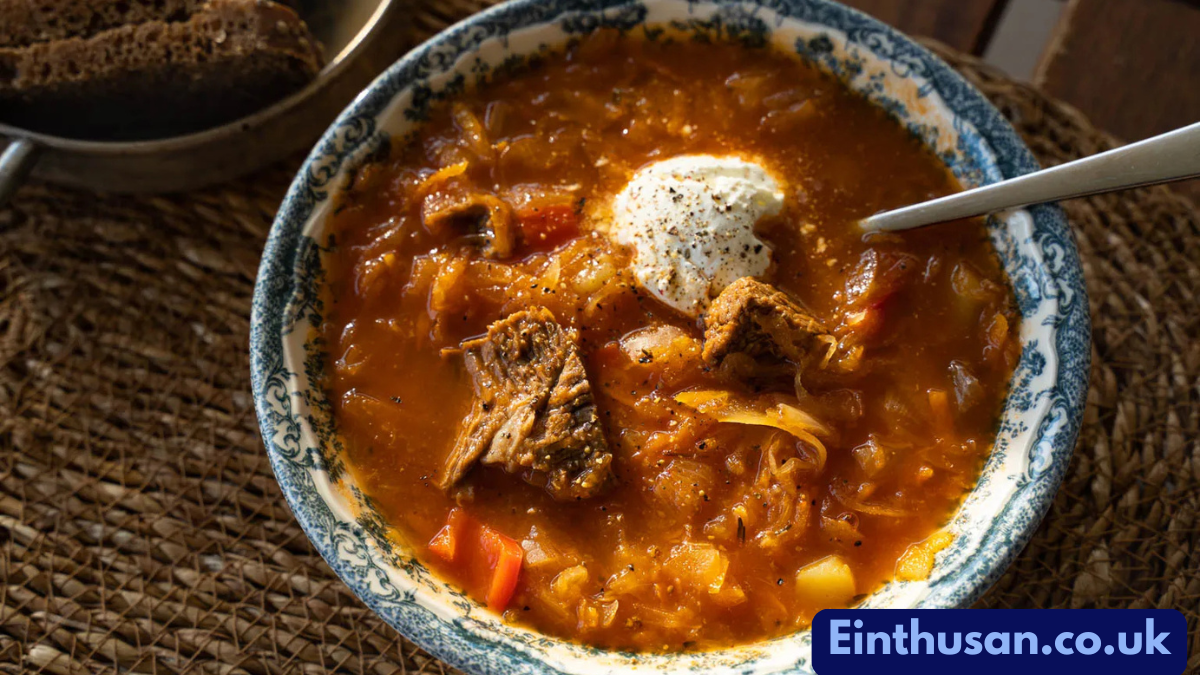
The essence of authentic shchi lies in its simplicity and balance. At its foundation, it uses cabbage as the main ingredient, supported by onions, carrots, potatoes, and sometimes meat for added richness. The broth is typically slow-cooked, allowing the flavors to develop gradually instead of being rushed.
One of the most defining features of traditional shchi is its sour undertone. This can come from fermented cabbage or the addition of souring agents like sauerkraut or kvass. This tanginess is what separates it from standard cabbage soups and gives it a signature taste that is both refreshing and hearty at the same time.
Cooking shchi is more about patience than technique. The ingredients are not heavily spiced or complicated. Instead, the dish relies on how well the vegetables are layered and how long they simmer together. The longer cooking time allows the cabbage to soften completely while still retaining its identity in the soup.
In many households, shchi is even considered better the next day, as the flavors continue to blend and deepen. That makes it not just a meal but a dish that evolves over time, rewarding patience and traditional cooking methods.
Finding Shchi Soup in Karachi
Searching for shchi in Karachi can be a bit challenging because it is not a mainstream dish in South Asian restaurants. However, that doesn’t mean it is impossible to find. The growing interest in global cuisine has led some international and fusion restaurants to experiment with Eastern European dishes, including soups like shchi.
Your best chance of finding it is in restaurants that specialize in Russian, European, or continental cuisine. Some upscale hotels or fine dining spots may occasionally feature it as part of a rotating international menu. These establishments often aim to attract customers looking for unique global flavors rather than standard local offerings.
Another approach is to check cafes or hidden-gem eateries that focus on homemade-style soups. Even if they don’t explicitly list shchi on the menu, some chefs may prepare it upon request if they are familiar with Eastern European cuisine. Calling ahead or checking seasonal menus can sometimes lead to surprising discoveries.
Food delivery apps and social media pages are also useful tools. Many modern restaurants don’t list every dish publicly but may advertise specials or limited-time offerings online. So staying active in local food communities can increase your chances of finding a bowl of authentic shchi nearby.
How to Identify a Good Bowl of Shchi
A good bowl of shchi can be identified by its aroma and balance. The smell should be warm, slightly tangy, and earthy, without being overpowering. If the soup smells too sharp or overly acidic, it may not have been balanced properly during cooking.
Texture is another important factor. The cabbage should be soft but not mushy, and the vegetables should retain some structure. A well-made shchi will feel hearty and satisfying without becoming overly thick or too watery. The broth should carry the flavor rather than just acting as a base.
Finally, taste is where quality becomes obvious. A proper shchi has layers of flavor that unfold gradually. You should notice the mild sweetness of vegetables, the depth of the broth, and the slight sourness that ties everything together. If all these elements feel flat or disconnected, the soup likely hasn’t been prepared with traditional care.
Making Shchi at Home
Cooking shchi at home is surprisingly approachable, even for beginners. The main requirement is patience and fresh ingredients. At its simplest, you start by sautéing onions and carrots, then adding cabbage and letting everything soften before introducing broth. This slow layering builds the foundation of flavor.
Once the vegetables are partially cooked, you add stock—either vegetable or meat-based—and let it simmer gently. The key is low heat over a longer time. This allows the cabbage to release its natural sweetness while absorbing the richness of the broth.
Some variations include adding potatoes or beans for extra texture and fullness. Others might include beef or chicken to make the soup more filling. Seasoning is usually minimal, relying more on salt, pepper, and sometimes bay leaves rather than heavy spices.
The final step is allowing the soup to rest. Many home cooks say shchi tastes even better after sitting for a few hours or overnight. This resting time helps all the ingredients come together into a more cohesive and flavorful dish.
Variations of Shchi Around the World
As shchi has traveled beyond Eastern Europe, it has naturally adapted to local tastes. In some regions, it is made richer with cream or butter, giving it a smoother and more indulgent texture. In others, it remains strictly plant-based to keep it light and refreshing.
Some modern interpretations include adding mushrooms, which enhance the umami profile of the soup. Others experiment with spices that are not traditionally used in Russian cuisine, blending global flavors while still maintaining the cabbage-based identity of the dish.
Even within its country of origin, shchi varies widely depending on the region and household. Some versions are bright and sour, while others are mild and comforting. This diversity is part of what keeps the dish relevant across different cultures and generations.
Health Benefits and Nutritional Value

Shchi is often considered a nourishing and balanced meal due to its vegetable-rich composition. Cabbage, the main ingredient, is known for being high in fiber and low in calories, making it a great option for those looking for lighter meals that still feel filling.
The slow-cooked nature of the soup also helps retain nutrients from vegetables while making them easier to digest. This is one of the reasons it is often associated with comfort and recovery food in traditional households.
Depending on the ingredients used, shchi can also provide a good balance of vitamins, minerals, and protein. When made with meat or legumes, it becomes a more complete meal that can sustain energy levels for longer periods.
Best Foods to Pair with Shchi
Shchi pairs well with simple bread, especially crusty or rye-style loaves that can absorb the broth. The combination of soup and bread creates a complete and satisfying meal without needing additional dishes.
It also goes well with light side dishes such as pickles or salads. These add a refreshing contrast to the warm and slightly tangy soup, enhancing the overall dining experience.
In some traditional settings, shchi is served as part of a multi-course meal, followed by something richer or more filling. However, on its own, it is already substantial enough to stand as a complete dish.
Final Thoughts
Shchi is more than just a cabbage soup; it is a representation of tradition, simplicity, and comfort in a bowl. Its long history and adaptability have allowed it to remain relevant even in modern food culture, where people are constantly exploring new cuisines.
For anyone searching for it in a city like Karachi, the journey is as much about discovery as it is about taste. Even if it is not widely available, the growing interest in global food makes it increasingly possible to find or recreate locally.
Ultimately, whether you enjoy it in a restaurant or make it at home, shchi offers a grounding and comforting experience that connects you to centuries of culinary tradition.
FAQs
What is shchi soup made of? It is mainly made of cabbage, broth, and vegetables like onions, carrots, and potatoes.
Is shchi soup sour or sweet? It can be mildly sour or balanced depending on whether fresh or fermented cabbage is used.
Can I find shchi soup in Karachi easily? It is rare but may be available in select international or fusion restaurants.
Is shchi healthy? Yes, it is low in calories and rich in vegetables and nutrients.
Can shchi be made vegetarian? Yes, it can be prepared easily without meat using vegetable broth.
Also read: yonosamachar com: A Simple and Modern Digital News Platform Overview
About the Author