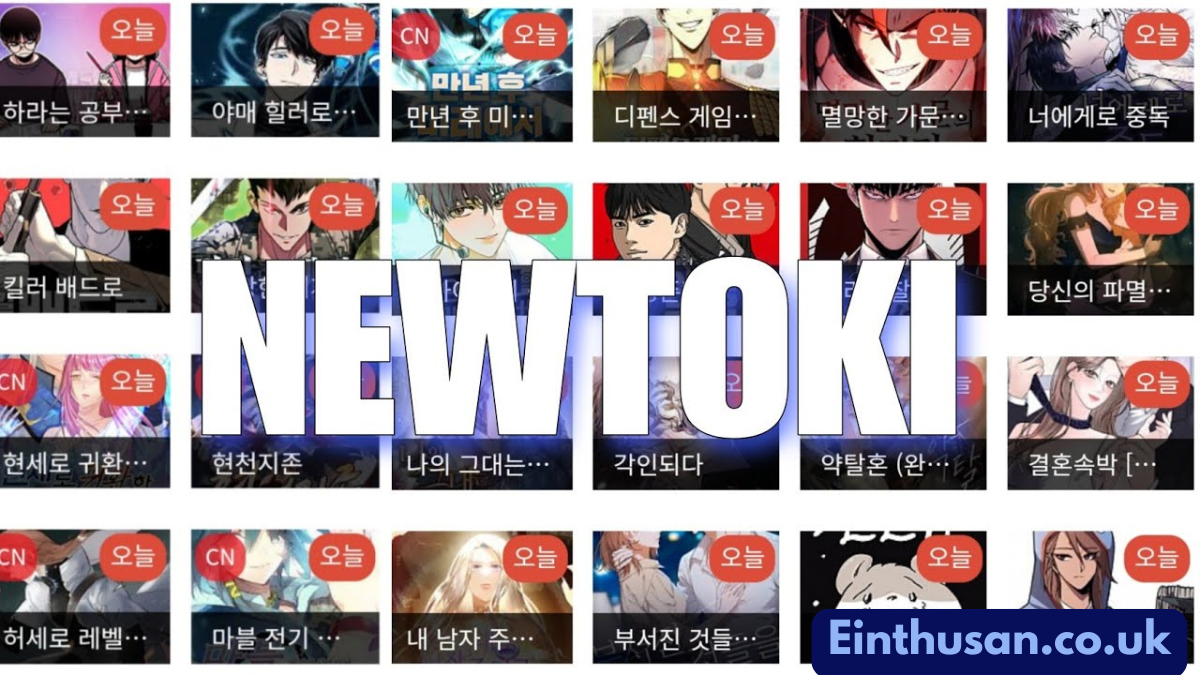
Introduction to Newtoki
Newtoki is a name that often comes up in discussions about online webtoon reading platforms, especially within communities that follow Korean comics and digital illustrations. Over time, it has gained attention not because it is an official content provider, but because it has been widely associated with hosting or indexing webtoon content outside authorized distribution channels. This makes it a controversial topic in the digital entertainment space, where creators, publishers, and readers often have conflicting interests regarding accessibility and compensation.
At its core, Newtoki represents a broader phenomenon in the internet era: the demand for instant, free access to entertainment content. As webtoons grew in global popularity, particularly Korean webtoons, audiences outside Korea began searching for ways to read them without regional restrictions or subscription barriers. Platforms like Newtoki became widely known in this context, though their operations often fall into legally gray or outright infringing areas depending on jurisdiction.
Understanding Newtoki requires more than just labeling it as a website. It involves exploring why such platforms exist, how they operate in the larger ecosystem of online content sharing, and why they continue to attract massive traffic despite legal pressure. This article takes a deep dive into all these aspects, providing a comprehensive overview of its presence, impact, and implications.
What Newtoki Is and Why It Became Known
Newtoki is generally recognized as an online platform that aggregates or displays webtoon-style content, often without official licensing from the original creators or publishers. Its structure resembles many content indexing sites where users can browse categories, search titles, and read chapters in a streamlined interface. However, unlike official platforms, it typically does not hold distribution rights for the material it presents.
The reason Newtoki became widely known is largely tied to the explosive growth of webtoons as a global entertainment format. Webtoons, which originated in South Korea, quickly expanded into international markets due to their mobile-friendly vertical scrolling format and diverse storytelling styles. As demand increased, so did the desire for unrestricted access, especially among audiences who faced paywalls or delayed translations in official platforms.
Another key factor behind its visibility is the internet’s tendency to amplify platforms that offer convenience. Even when such platforms operate in legally questionable spaces, their ease of use, fast updates, and wide content libraries often attract users. Over time, Newtoki became a frequently searched term among webtoon readers, particularly those looking for the latest chapters of popular series.
How Platforms Like Newtoki Operate (General Overview)
Platforms like Newtoki typically function by aggregating content from multiple sources and presenting it in a unified interface. Instead of producing or licensing content themselves, they rely on third-party uploads or automated scraping techniques. This allows them to host large volumes of material without directly investing in production or licensing agreements.
These platforms often use multiple domain structures or mirrored sites to maintain accessibility even when one version is restricted or taken down. This distributed nature makes enforcement difficult, as shutting down one entry point does not necessarily eliminate the entire network. As a result, they can reappear under different web addresses or configurations.
From a technical perspective, such sites prioritize fast loading times, minimal design, and mobile compatibility. This is done to maximize user retention and engagement. However, this convenience often comes at the cost of legal compliance and content integrity, as the material displayed is frequently not authorized for redistribution.
Content Types Found on Newtoki
The primary content associated with Newtoki revolves around webtoons, particularly Korean digital comics that span genres like romance, fantasy, action, thriller, and slice-of-life. These stories are typically structured in serialized formats, with new chapters released weekly or biweekly, which contributes to the demand for frequent updates.
In addition to webtoons, platforms like Newtoki may also include manga, light novels, or other illustrated storytelling formats. The content is often translated into multiple languages by unofficial groups, which increases accessibility but raises serious copyright concerns. This unofficial translation ecosystem is a major factor in the global spread of such platforms.
The organization of content on these platforms is usually category-driven, allowing users to browse by genre, popularity, or update frequency. While this makes navigation simple, it also blurs the line between authorized distribution and unauthorized aggregation, creating ongoing tension between accessibility and legality.
User Demographics and Global Reach
The user base of platforms like Newtoki is diverse, spanning multiple countries and age groups. A significant portion consists of younger audiences who are highly engaged with digital content and prefer mobile-friendly reading experiences. These users are often drawn to webtoons because of their visual storytelling and easily consumable format.
Geographically, interest is not limited to Korea. In fact, international audiences from regions such as Southeast Asia, North America, and parts of Europe also contribute to the traffic. This global reach is driven by the popularity of Korean entertainment culture, including K-dramas, K-pop, and webtoons.
Another important aspect of the user demographic is accessibility. Many users are motivated by the lack of availability of certain titles in their region or the cost associated with official platforms. This creates a gap between demand and legitimate supply, which unofficial platforms attempt to fill, albeit controversially.
Reasons Behind Its Popularity
One of the main reasons platforms like Newtoki gain popularity is convenience. Users are often able to access a large library of content without subscription fees, registration barriers, or regional restrictions. This frictionless experience makes it appealing compared to official services that may require payment or account creation.
Another factor is speed of content updates. Unofficial platforms often release new chapters quickly after they are published elsewhere, sometimes even before official translations are available in certain regions. This immediacy creates a strong incentive for users who want to stay current with ongoing series.
Additionally, the user interface of such platforms is typically designed for simplicity. Minimal advertisements, fast navigation, and straightforward layouts contribute to a smooth reading experience. While this design approach is user-friendly, it also masks the underlying legal and ethical issues associated with the content distribution.
Legal and Copyright Concerns
Newtoki exists in a space that raises significant legal and copyright issues. Most of the content associated with such platforms is protected under intellectual property laws, meaning it cannot be legally distributed without permission from the creators or rights holders. When content is shared without authorization, it typically violates these protections.
Copyright infringement is not just a theoretical concern; it has real consequences for creators and publishers. Authors, illustrators, and production companies rely on licensing fees, subscriptions, and official platform revenue to sustain their work. Unauthorized distribution undermines this ecosystem by diverting traffic and revenue away from legitimate sources.
Legal responses to such platforms vary by country, but often include domain blocking, takedown requests, and legal action against operators. However, enforcement is challenging due to the global and decentralized nature of the internet, which allows such platforms to reappear in different forms.
Risks for Users (Security, Malware, Privacy)
Beyond legal concerns, users of unofficial platforms like Newtoki may also face security risks. These sites often rely heavily on advertisements or third-party scripts for revenue, some of which may not be properly vetted. This can expose users to malicious ads or harmful redirects.
Privacy is another major concern. Unofficial platforms may not follow strict data protection standards, meaning user activity could be tracked or exploited without consent. In some cases, visiting such sites can result in unwanted cookies, tracking scripts, or even phishing attempts.
There is also the general risk of unstable site infrastructure. Because these platforms often operate in legally sensitive environments, they may be taken down or changed frequently, leading users to unreliable or potentially unsafe mirror sites.
Ethical Implications of Digital Content Consumption
The ethical discussion around platforms like Newtoki revolves around fairness and creative ownership. Content creators invest significant time, skill, and resources into producing webtoons, and they depend on proper compensation to continue their work. Unauthorized distribution disrupts this balance.
From a user perspective, the ethical dilemma often comes down to accessibility versus fairness. While many users turn to unofficial sources due to cost or availability, doing so raises questions about supporting the creators whose work they enjoy. This tension is central to the ongoing debate about digital content consumption.
Ethically, the broader issue reflects how digital media is valued in modern society. As content becomes easier to copy and distribute, ensuring fair compensation for creators becomes more complex. Platforms like Newtoki sit at the center of this evolving challenge.
Impact on Webtoon Creators
For creators, platforms like Newtoki can have a direct impact on income and recognition. When content is consumed outside official channels, creators may lose potential revenue from subscriptions, ads, or licensed distribution deals. This can affect their ability to continue producing content at a sustainable pace.
Beyond financial impact, there is also the issue of creative motivation. Many creators rely on engagement metrics and community support from official platforms. When audiences shift to unauthorized sources, this feedback loop is weakened, potentially affecting long-term creative output.
In some cases, widespread unauthorized distribution can also influence how publishers structure future contracts, often leading to stricter licensing terms or regional restrictions. This can further complicate the global accessibility of webtoons.
Impact on Official Webtoon Platforms
Official webtoon platforms operate on subscription-based or ad-supported models, and unauthorized distribution directly affects their business performance. When users access content through unofficial sources, it reduces traffic and engagement on legitimate platforms.
This loss of engagement can have cascading effects, including reduced advertising revenue and lower investment in new content. Platforms may respond by tightening access controls, implementing digital rights management, or limiting regional availability, which can further frustrate legitimate users.
Despite these challenges, official platforms continue to grow globally, often by improving user experience, offering exclusive content, and expanding localization efforts. However, piracy-related competition remains a persistent issue.
Government and Industry Responses
Governments and industry organizations have taken various steps to address unauthorized content distribution. These include legal enforcement actions, domain blocking, and collaboration with internet service providers to restrict access to infringing sites.
In addition, industry groups representing publishers and creators often work together to identify and report unauthorized platforms. These efforts are aimed at protecting intellectual property rights and ensuring fair compensation for creative work.
However, enforcement is an ongoing challenge due to the global nature of the internet. Even when one platform is taken down, others may emerge, making long-term solutions difficult without broader changes in digital content distribution models.
Technological Aspects (Mirrors, Domains, Blocking)
One of the key technological characteristics of platforms like Newtoki is their use of mirrored domains. These are duplicate versions of a website hosted under different web addresses, allowing the platform to remain accessible even if one domain is blocked or removed.
Another common technique is rapid domain switching. When authorities or service providers restrict access, operators may quickly migrate to new domains, maintaining continuity of service. This creates a cat-and-mouse dynamic between enforcement agencies and site operators.
Additionally, some platforms use content distribution techniques that reduce hosting costs and increase resilience. While these methods are not inherently illegal, their combination with unauthorized content distribution creates complex enforcement challenges.
Comparison with Legal Alternatives
Legal webtoon platforms differ significantly from sites like Newtoki in terms of structure and purpose. Official platforms are licensed, meaning they have agreements with creators and publishers to distribute content legally. This ensures that creators are compensated for their work.
In contrast, unofficial platforms typically do not have such agreements, which allows them to offer large libraries without subscription fees. However, this comes at the cost of legal compliance and often at the expense of content creators.
While legal platforms may require payment or have regional restrictions, they generally provide a more stable, secure, and ethically sound reading experience. They also contribute to the sustainability of the webtoon industry.
How Legitimate Webtoon Platforms Work
Legitimate webtoon platforms operate under licensing agreements that define how content can be distributed, translated, and monetized. These agreements ensure that creators receive compensation based on views, subscriptions, or advertising revenue.
These platforms typically invest heavily in infrastructure, user interface design, and localization. This includes translating content into multiple languages, optimizing mobile reading experiences, and offering recommendation systems to enhance user engagement.
They also maintain compliance with copyright laws and data protection regulations, which helps build trust with both creators and readers. This structured ecosystem supports long-term growth of the webtoon industry.
Reader Experience Comparison
The reading experience on official platforms is often more polished, with consistent updates, high-quality translations, and interactive features such as comments and community engagement. These features are designed to enhance user experience while supporting creators.
Unofficial platforms, on the other hand, may prioritize speed and volume over quality. While they often provide quick access to new chapters, translation quality and formatting can be inconsistent. Additionally, users may encounter intrusive ads or unstable site performance.
Ultimately, the difference comes down to sustainability versus convenience. Official platforms aim to create a balanced ecosystem, while unofficial ones often prioritize immediate accessibility.
Monetization Models of Official Webtoons
Official webtoon platforms use a variety of monetization strategies. These include subscription models, pay-per-chapter systems, ad-supported free access, and premium content tiers. Each model is designed to balance accessibility with creator compensation.
Another growing trend is the use of microtransactions, where readers can purchase early access or special content. This allows dedicated fans to support creators directly while still offering free access to basic content.
These monetization systems are essential for sustaining the industry, ensuring that creators, translators, and platform developers can continue producing and distributing content.
SEO and Why Such Sites Rank
Unofficial platforms like Newtoki often gain visibility through search engine optimization techniques that prioritize high-traffic keywords. Because webtoon titles are widely searched, pages containing these keywords naturally attract significant organic traffic.
Another factor is the volume of content indexed. Large libraries of serialized content create many individual pages, each of which can rank in search results. This increases overall visibility, even if the site itself operates in a legally questionable space.
However, search engines continuously update their algorithms to reduce the visibility of unauthorized content. Despite this, such platforms often reappear under different domains or structures, maintaining a cycle of visibility and restriction.
Cultural Impact of Webtoon Piracy
The cultural impact of platforms like Newtoki is complex. On one hand, they contribute to the global spread of webtoon culture by making content accessible to audiences who might not otherwise encounter it. This can increase popularity and fan engagement worldwide.
On the other hand, this accessibility comes at the cost of undermining official distribution channels. This creates tension between cultural expansion and intellectual property protection.
Over time, this dual impact has influenced how publishers approach global distribution, often encouraging faster international releases and more accessible pricing models.
Safe and Legal Reading Alternatives
There are many legitimate platforms that offer webtoon content in a legal and secure manner. These platforms provide licensed translations, consistent updates, and support for creators. They are the preferred option for readers who want to engage with webtoons responsibly.
These alternatives often include mobile apps and web interfaces optimized for reading convenience. Many also offer free chapters supported by ads, allowing users to access content without direct payment while still supporting creators.
Choosing legal alternatives helps sustain the industry and ensures that creators are fairly compensated for their work.
Future of Webtoon Distribution
The future of webtoon distribution is likely to involve more global integration, faster localization, and improved accessibility. As demand continues to grow, official platforms are expected to reduce delays between regional releases.
Technological advancements such as AI-assisted translation and adaptive content delivery may also improve the speed and quality of official releases. This could help reduce reliance on unofficial platforms over time.
However, challenges related to piracy, licensing, and regional restrictions will likely continue to shape the industry for years to come.
Conclusion
Newtoki represents more than just a website; it reflects the broader tensions in digital content distribution today. While it is widely known for providing easy access to webtoon content, it also raises serious legal, ethical, and economic concerns.
The platform’s popularity highlights the strong global demand for webtoons and the importance of accessibility in digital entertainment. At the same time, it underscores the need to support creators and maintain sustainable content ecosystems.
Ultimately, understanding Newtoki requires balancing user behavior, industry economics, and creative rights. The future of webtoons will depend on how well these competing forces are managed.
FAQs
What is Newtoki?
Newtoki is commonly associated with an unofficial webtoon aggregation platform that hosts or indexes content outside official licensing channels.
Is Newtoki legal to use?
Its legality depends on jurisdiction, but it is generally considered unauthorized distribution of copyrighted content.
Why do people use Newtoki?
Users are often attracted by free access, fast updates, and wide content availability compared to official platforms.
Is Newtoki safe for users?
Unofficial platforms may carry security risks such as intrusive ads, malware exposure, or privacy concerns.
What are the alternatives to Newtoki?
Legal webtoon platforms such as official publisher apps and licensed services provide safe and authorized access to webtoons.
Also read: Casey Beane: Life, Background, and Her Quiet Connection to the Moneyball Story
About the Author